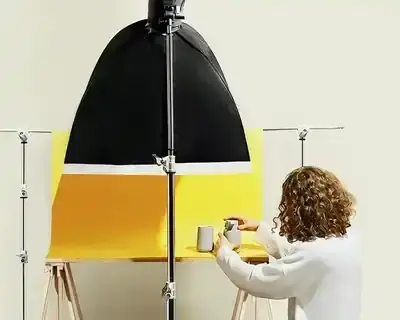
UK properties with professional photography sell 32% faster and for 11% more on average. The Home Staging Association UK (HSA) reported in 2025 that staged homes spend around 33 days less on the market than non-staged ones, while Rightmove research shows the average UK property takes 71 days to go under offer without preparation. After professional staging, that figure drops to roughly 21 days. In this guide you will see, step by step, how to prepare a UK property for sale and why photography accounts for 80% of the result.
What is home staging?
Home staging is the professional preparation of a property for sale or let, combining decluttering, styling, soft furnishing and photography. You will find more property and photography terms in our visual marketing glossary. The aim is simple: present the property at its best, attract more viewings and achieve a higher price in less time.
The discipline started in the United States in the 1970s thanks to Barb Schwarz. In the UK it has matured rapidly since the late 2010s. The Home Staging Association UK now estimates that over 40% of premium listings on Rightmove and Zoopla in 2026 use some form of professional staging, from full furniture rental to virtual staging.
"Home staging is not decorating. It is visual marketing for property. Buyers purchase emotion, not square footage."
Barb Schwarz, founder of home staging
UK home staging statistics 2026
The numbers speak for themselves. Here is how home staging realistically affects property sales in the UK market:
| Metric | No staging | With staging | Difference |
|---|---|---|---|
| Average time on market | 71 days | 21 days | -70% |
| Sale vs asking price | 97-99% of asking | 101-108% of asking | +8-11% |
| Online listing views (Rightmove) | baseline | +87% | +87% |
| Listing-to-viewing conversion | 4% | 17% | +325% |
| Below-asking offers received | 62% | 24% | -61% |
According to the Home Staging Association UK 2025 report, estate agents who recommend staging close transactions 3.8 times faster than agents who do not. Equally important: every £1 invested in staging returns roughly £6-£8 through higher sale price and shorter market time, especially in London, the South East and major regional hubs like Manchester and Bristol.
Home staging step by step
Effective home staging is a process, not a one-off effort. Here are the 10 stages every professionally prepared UK property goes through:
1. Decluttering: removing the excess
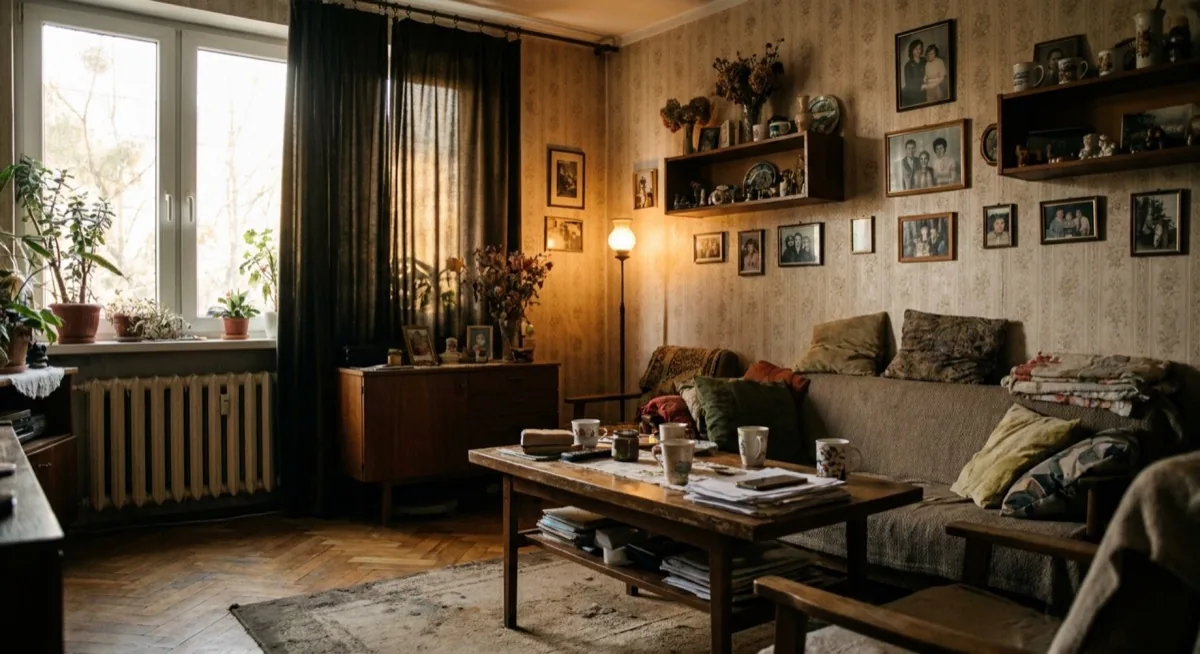
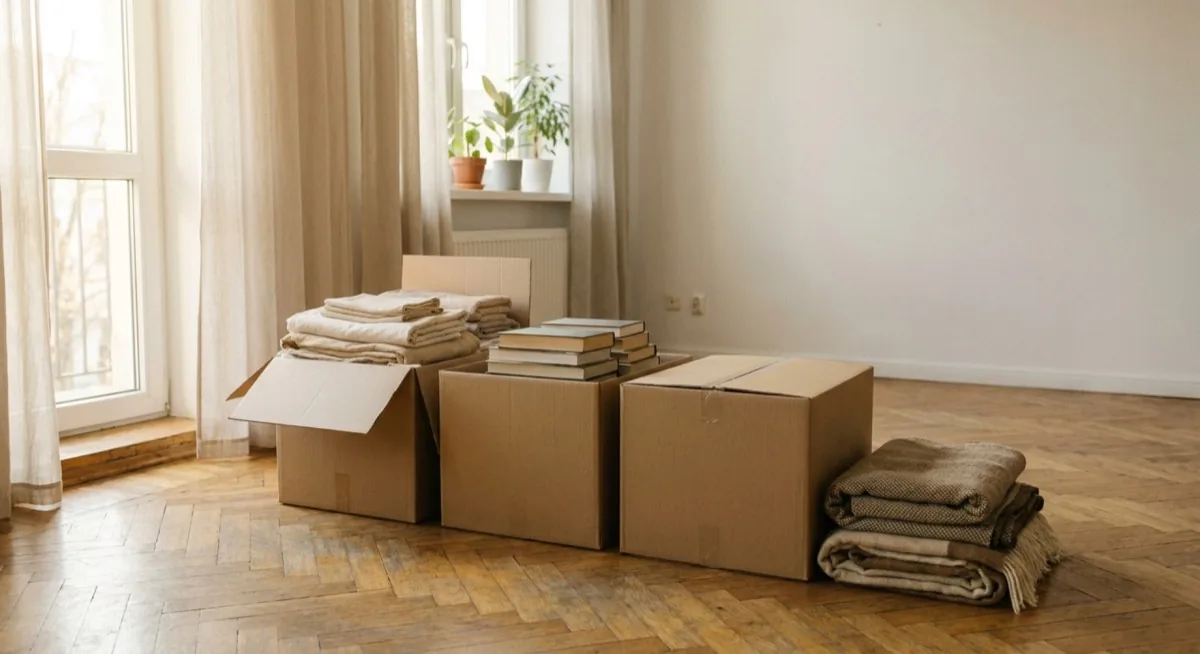
Decluttering is the foundation of home staging and the very first thing to tackle before any styling. Remove anything that does not serve the presentation of the space: surplus furniture, family photos, ornaments, throw cushions, paperwork, toys, kitchen gadgets on the worktop.
The rule of thumb is no more than 3 items per surface. Everything else goes into boxes or short-term storage. You are selling space, not your possessions, so buyers must be able to read the walls, floors and proportions of each room.
2. Deep cleaning and refresh
After decluttering comes deep cleaning. We are talking about a level of cleanliness you would not normally maintain day to day: windows and frames, bathroom grout, radiators and skirting boards, kitchen degreasing, oven interiors. Dirt is brutally visible in photographs and disqualifies a listing instantly.
Also worth doing: refresh the walls. Scuffs, hairline cracks and stains scare buyers off. A fresh coat of neutral paint (white, soft greige, light grey) costs £80-£150 per room in materials and can add several thousand pounds to the perceived value of the property.
3. Minor repairs and snagging
A potential buyer notices every defect, and the mental "what would I have to fix" list automatically shaves a few percent off any offer. Run through the snag list: dripping taps, squeaky hinges, blown bulbs, cracked tiles, scratched worktops, sticking doors, peeling sealant. Each of these signals "this property needs work".
Typical cost of minor repairs: £150-£500. The return? A buyer will not knock £5,000 off the offer because they see a "neglected" home.
4. Colour neutralisation
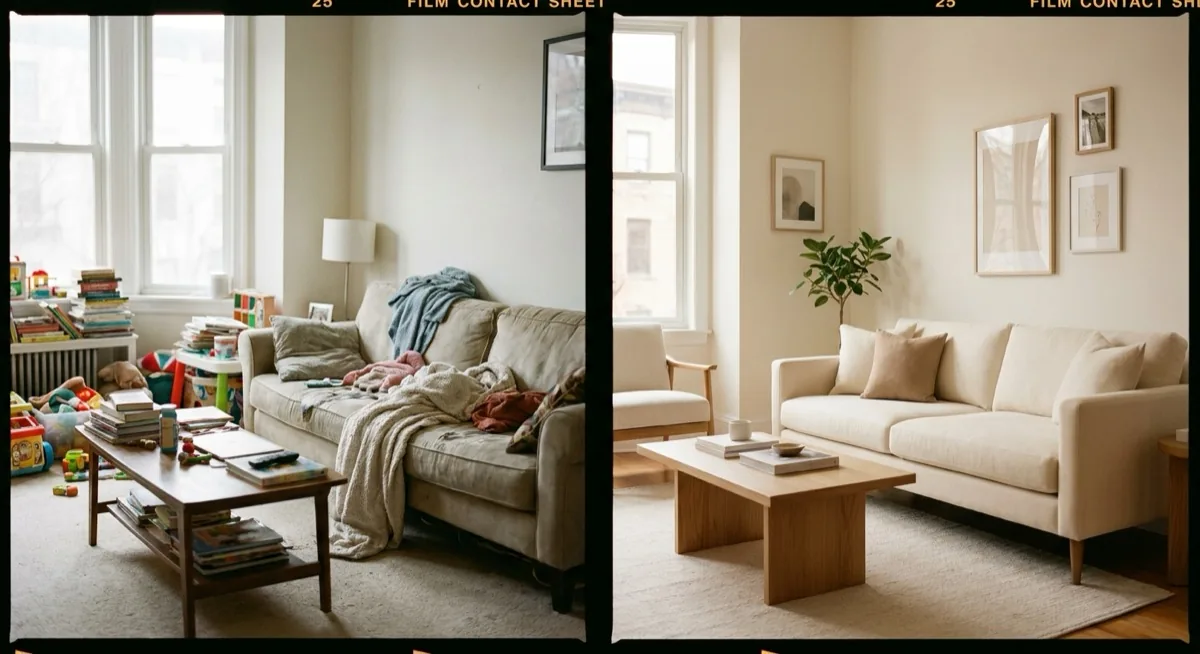
Colour is a matter of personal taste, which is exactly why it has no place in home staging. Your beloved deep teal feature wall will put off 60% of viewers. The rule is straightforward: the more neutral the palette, the larger the pool of buyers who can imagine themselves living there.
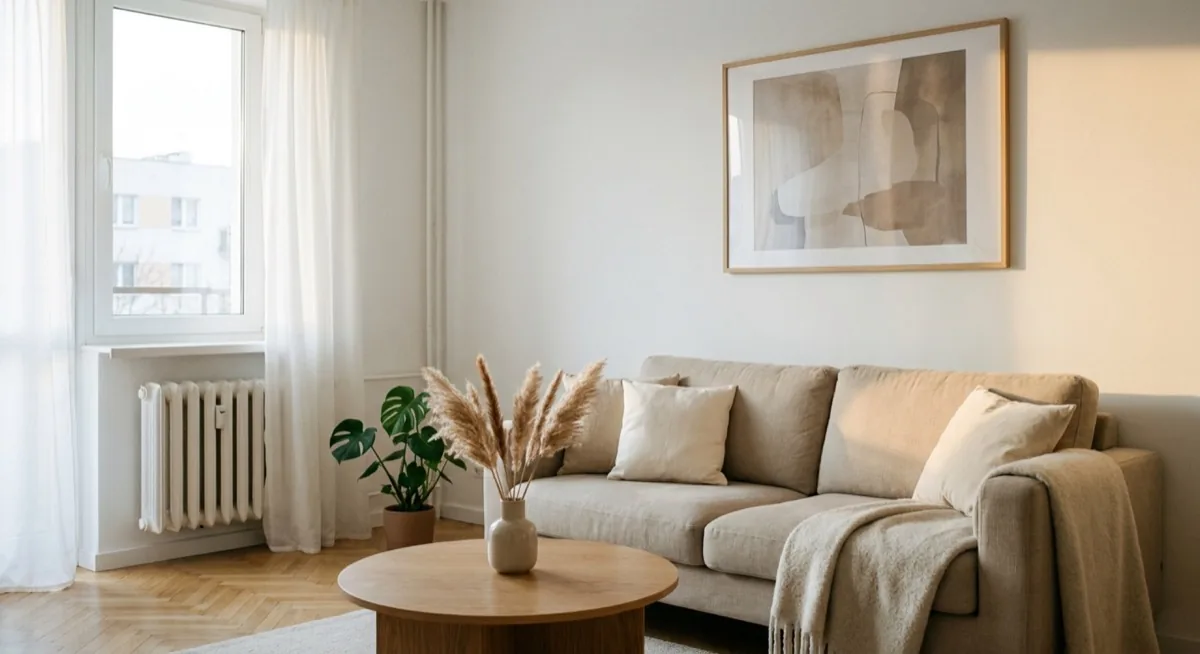
Stick to a white - greige - soft grey - natural oak palette. The only colour accents that consistently work in the UK market: green from houseplants and gentle muted blues, sage or warm terracotta in soft furnishings (cushions, throws, curtains).
5. Optimising furniture and layout
Oversized furniture makes a property feel smaller. Undersized pieces leave it feeling empty and disjointed. The golden rule of staging: furniture should occupy no more than 60% of the floor area. The remaining 40% is "breathing room" that signals openness and space.
If you have too much, put items in storage. If you have too little or the pieces look tired, furniture rental for staging costs £400-£900 per month for a typical 2-3 bed property and is standard practice in premium UK staging, especially with firms like The Property Stagers or House Couture.
6. Lighting: the key to atmosphere
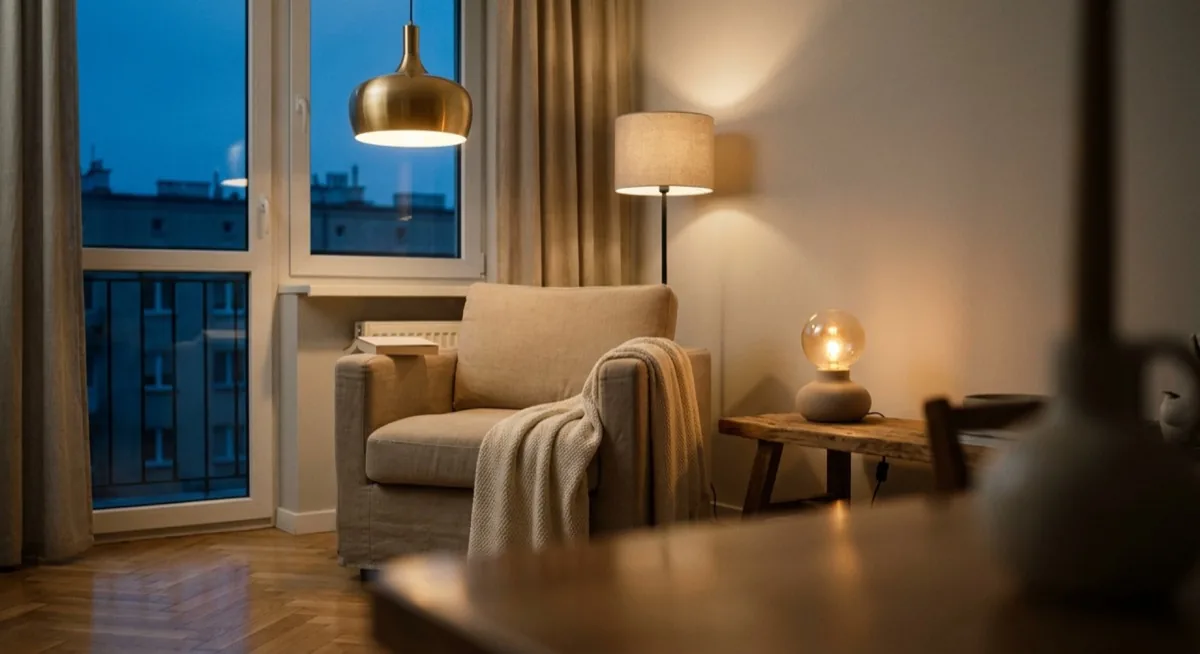
Bad lighting kills any property in photographs. Good lighting builds warmth and atmosphere. The standard: 2700K to 3000K (warm white) bulbs throughout, at least one floor lamp in the living room, pendant or strip lighting over a kitchen island, and decent task lighting around bathroom mirrors.
Cost of replacing all bulbs with warm LED: £40-£80. The effect on photographs is invaluable. Warm light makes every room feel cosier, larger and more expensive.
7. Styling the key rooms
You do not need to style every corner. Focus on the 4 key rooms that drive 90% of buying decisions: living room, kitchen, master bedroom and bathroom. These are where buyers spend most of their viewing time, and the photographs of these rooms decide whether a viewing happens at all.
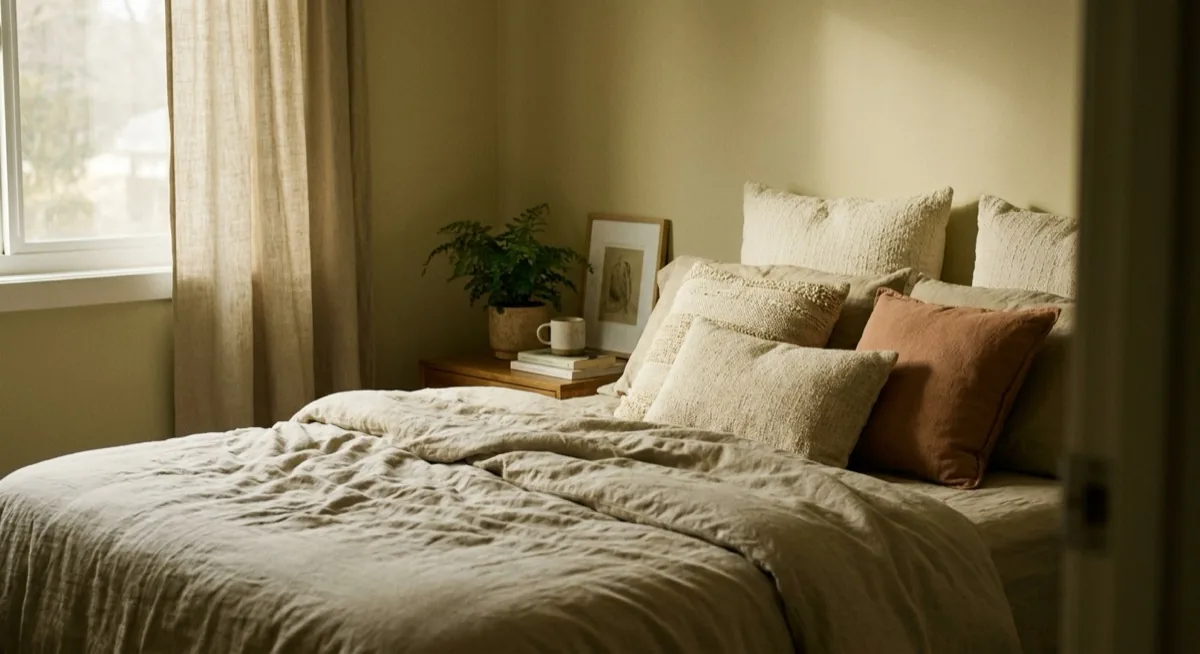
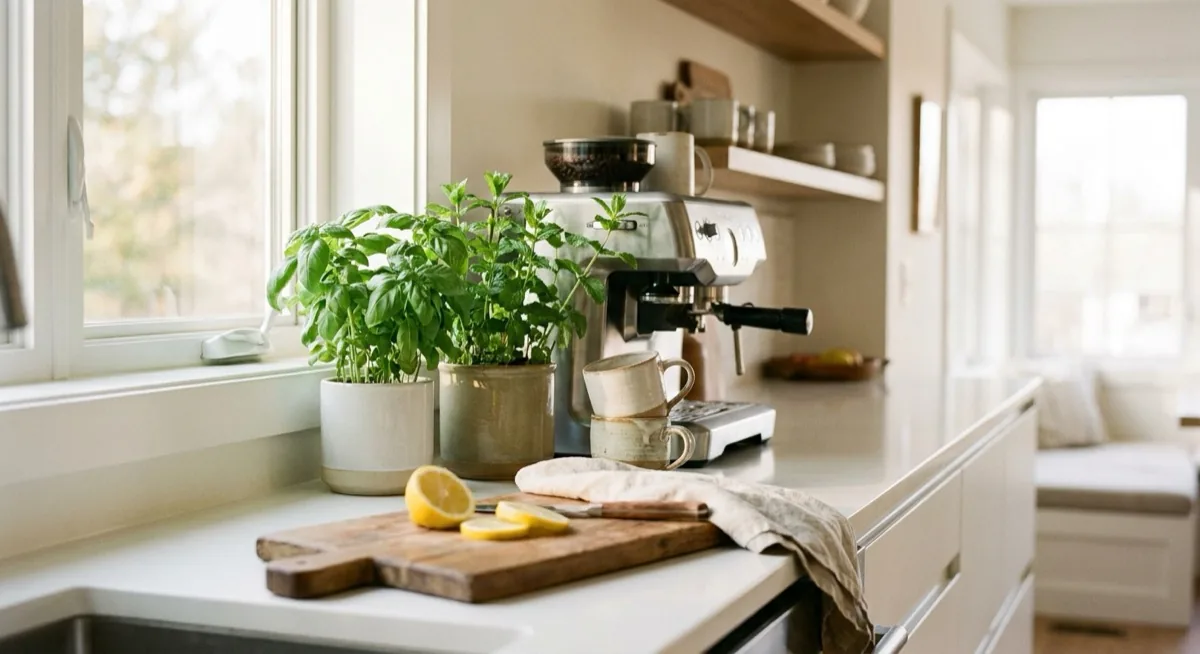
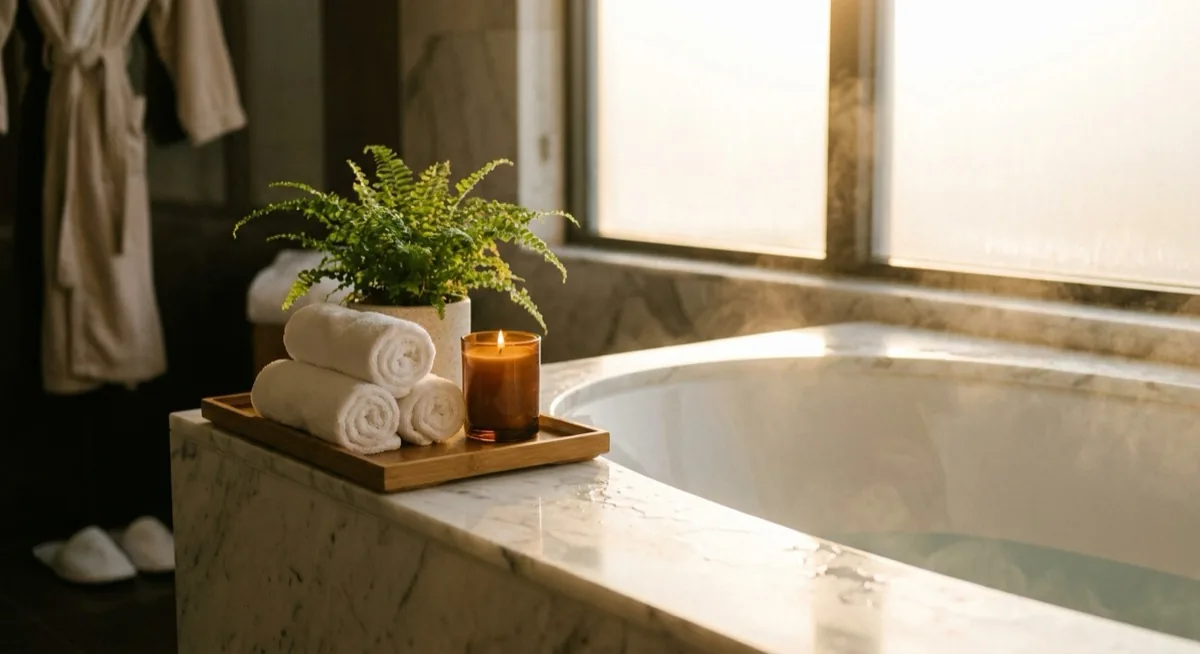
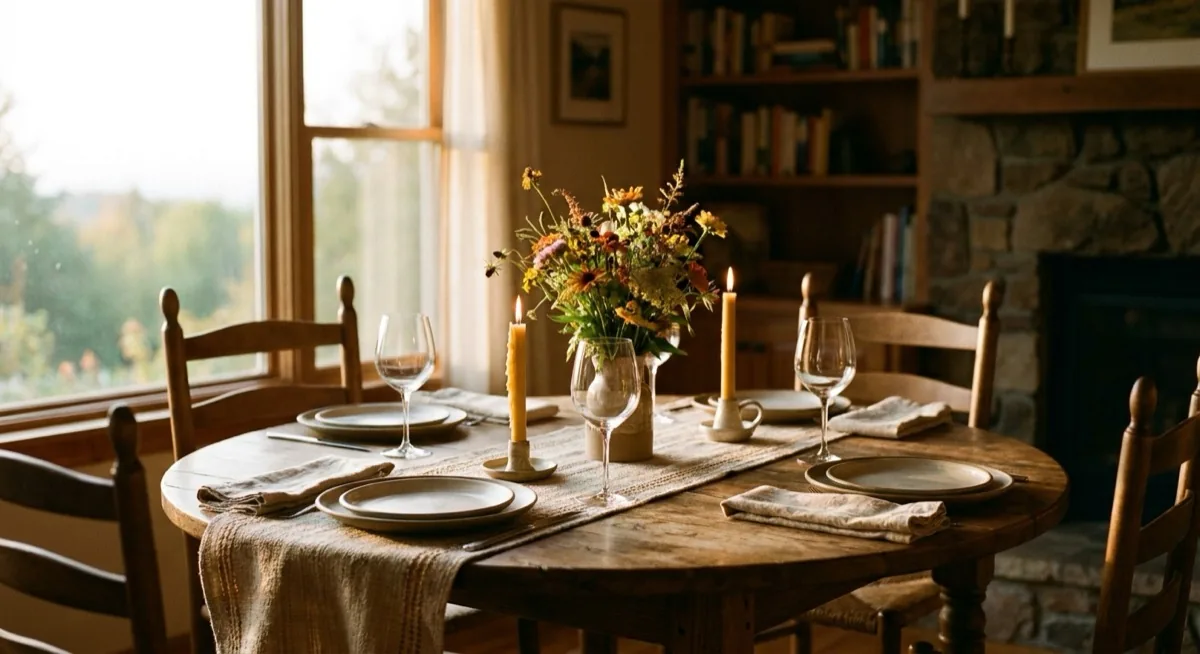
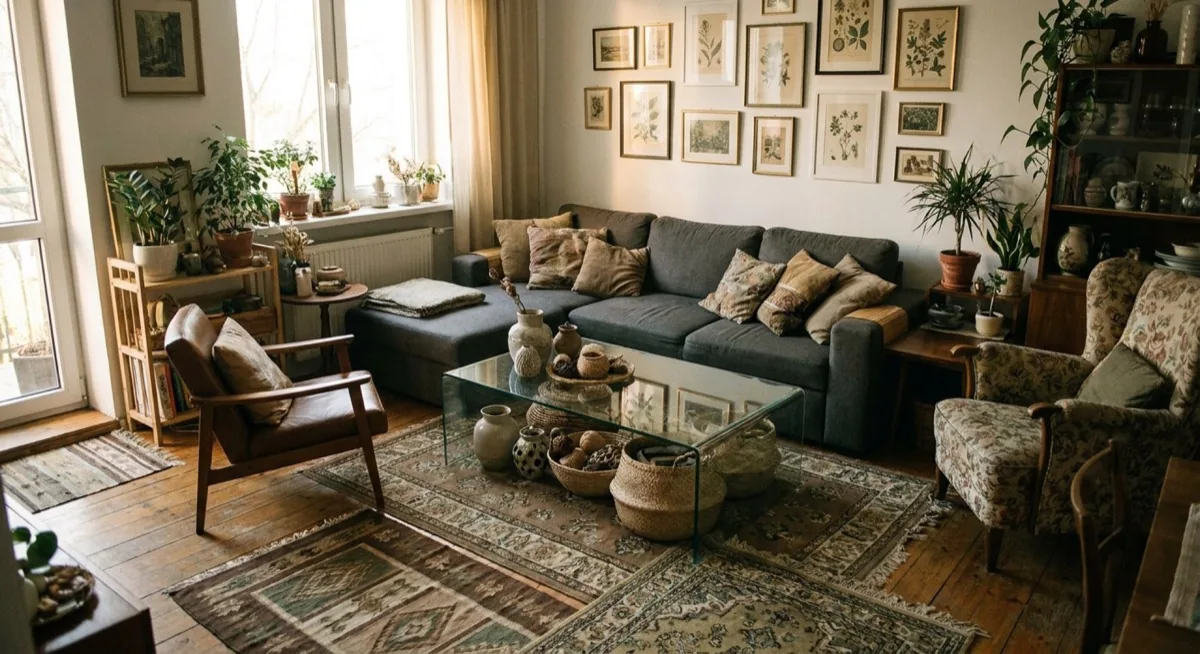
Living room: a soft throw on the sofa, a houseplant in a textured pot, a few coffee table books. Kitchen: a bowl of fresh fruit, a small herb pot, a clean coffee station. Bedroom: crisp linen, hotel-style cushion arrangement, soft side lamps. Bathroom: fluffy neutral towels, a candle, a small live plant, a tray on the vanity.
8. Greenery and natural decor
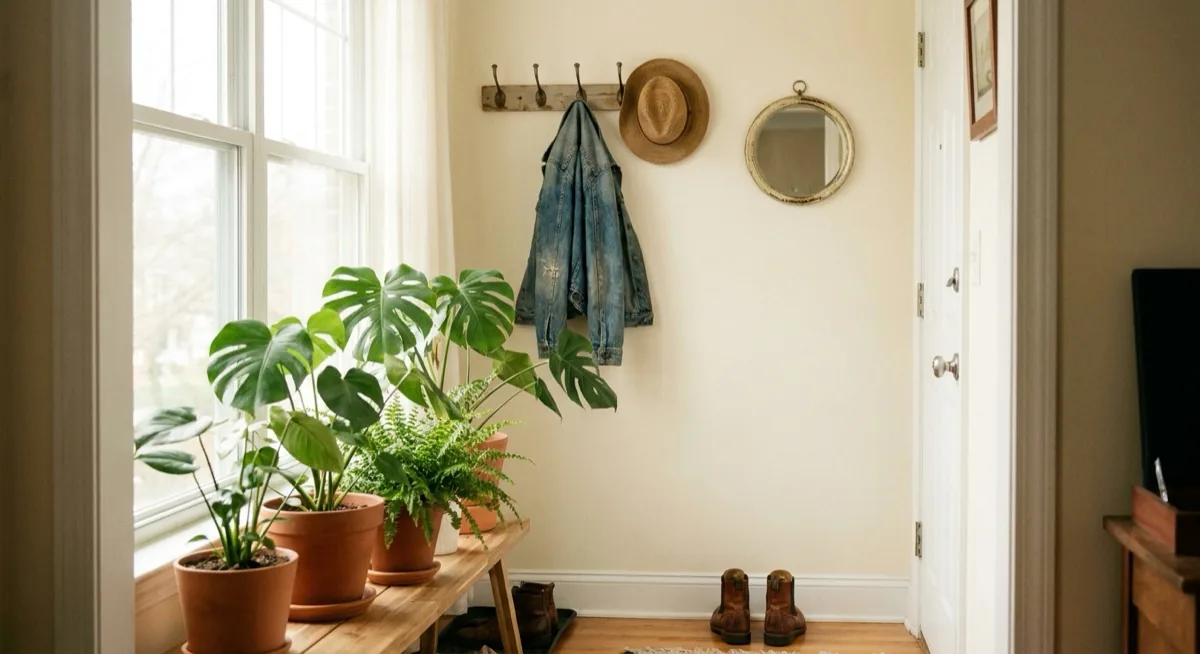
Houseplants offer the best return on investment in home staging. Fiddle leaf fig, monstera, snake plant, rubber plant: each adds life, colour and warmth. Cost: £15-£60 per plant at IKEA, B&Q or local garden centres. Effect on photographs: priceless.
The rule: at least one statement plant in the living room, plus a smaller plant in the kitchen and bathroom. Critical detail: plants must be in good condition. Wilted leaves photograph terribly and undermine the entire scheme.
9. Preparing for the photo shoot
This is where 80% of the sale is decided. Property photography is not a smartphone affair, it is a specialist discipline that requires understanding of angles, light, composition and colour. A professional UK property shoot costs £150-£500 and translates directly into a higher final sale price.
Even the best-prepared home, photographed handheld at dusk on a phone, will not sell at the right price. Buyers see the photographs first on Rightmove or Zoopla, often on a 6-inch phone screen, and that is where they decide whether to enquire. To learn more about the technical side, see our guide on photo background and composition.
10. Optimising the listing and description
The final stage is the listing copy. The headline should lead with concrete benefits: "South-facing 2-bed flat, two balconies, 5 min to Tube". Body text: actual numbers, room dimensions, year of last refurbishment, EPC rating, what is included. Avoid empty phrases like "stunning property" or "must be seen". Lead with facts.
Home staging vs traditional sale
To check whether home staging really pays off, let us compare two scenarios for selling a UK property valued at £450,000 (roughly the average price in London commuter zones in 2026):
| Scenario | Traditional sale | With home staging |
|---|---|---|
| Asking price | £450,000 | £465,000 |
| Average sale price | £430,000 (-4.4%) | £472,000 (+1.5%) |
| Time on market | 71 days | 21 days |
| Carrying costs while selling | £2,400 (mortgage + bills, ~3 months) | £700 (~3 weeks) |
| Investment in staging | £0 | £1,500-£3,500 |
| Net proceeds | £427,600 | £468,800 |
| Difference | - | +£41,200 |
As you can see, home staging is not a cost, it is an investment with a typical return of 600-1200%. Even if the asking price is not exceeded, the shorter time on market alone (lower carrying costs, faster capital release) justifies the spend.
How much does home staging cost in the UK?
Costs depend on the scope and the condition of the property. Here are typical 2026 UK rates:
| Service | Typical price | Scope |
|---|---|---|
| Staging consultation | £150-£350 | 2-3h walkthrough, written report |
| DIY staging support | £250-£700 | Decor, minor repairs, prep |
| Full staging (1-2 bed flat) | £800-£2,000 | Full styling + decor rental |
| Premium staging (3-4 bed home) | £2,000-£5,000 | Full styling, furniture rental, stylist |
| Luxury staging (large detached) | £5,000-£15,000+ | Complete fit-out, props, furniture |
| Property photography | £150-£500 | Pro shoot, edit, web-ready files |
| Virtual staging (AI) | £40-£150 | 3D renders, room visualisations |
Worth knowing: most UK staging firms work on a fixed package or "results fee" basis. Some premium estate agents in London (Knight Frank, Savills, Foxtons) offer staging as part of a higher-tier marketing package, often partly absorbed into the commission. Always ask before you sign the agency agreement.
Photography in home staging
You can have a perfectly styled property, but if the photographs are weak, nobody enquires. On Rightmove, Zoopla and OnTheMarket the first impression is formed in 1.4 seconds. That is how long a buyer spends on the first photo before deciding whether to scroll on or click through. For a deeper dive into pro photography techniques, read our business photography guide.
Research from Rightmove and the HSA UK in 2025 showed that listings with 15+ professional photographs generate 4.2 times more enquiries than those with 3-5 phone snaps. That is not a percentage gap, it is a different league.
Professional property photography is a specialism that combines knowledge of architecture, light, composition and post-production. At marszalstudio we specialise in interior and product photography, and our property work routinely sells around 30% faster than the local average across UK regional markets we cover.
What makes a professional property photo stand out?
- Wide angle (16-24mm full-frame equivalent) shows the true size of every room
- Perspective correction so vertical lines stay vertical, horizontals stay horizontal
- HDR blending balances bright windows against darker interiors, especially under typical UK overcast skies
- Retouching and colour grading matched to natural daylight on the day
- Supplementary off-camera flash where natural light alone is insufficient
- Tight selection of frames - 2 to 3 best angles per room, no filler
Want your property to sell faster and for more? Get in touch with marszalstudio to book a professional interior shoot. We cover the UK and Europe, with packages starting at £179. See also our photography pricing.
UK case studies
Case 1: Studio flat 35m2, Clapham, London
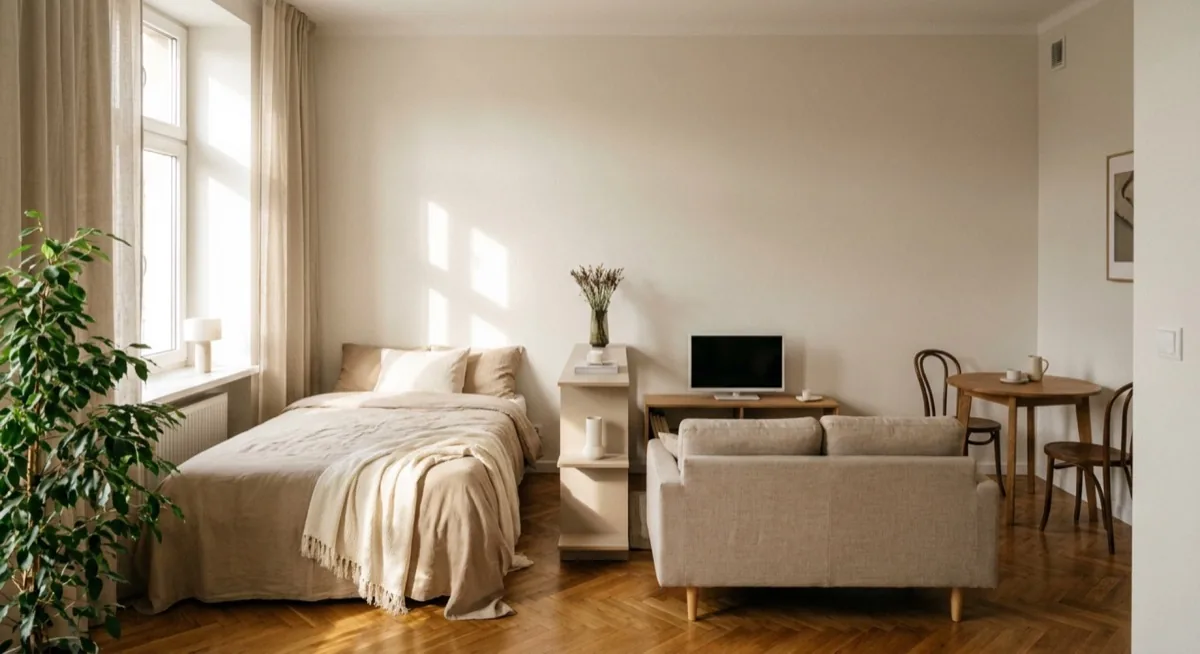
Starting point: Studio flat with 1990s furniture, on the market for 4 months without a single offer. Asking price: £385,000.
Actions: 70% of furniture moved to short-term storage. Walls repainted in soft greige. Modern sofa and coffee table on rental. 3 statement plants. Professional photo shoot (12 photos plus floor plan).
Staging cost: £1,250. Outcome: Sold in 14 days at £402,000 (+4.4% over asking). ROI: 13.6x.
Case 2: Victorian terrace, 95m2, Manchester (Chorlton)
Starting point: Family home with two children, heavily lived-in, full of toys and personal items. Local market price: £325,000.
Actions: Full decluttering (3 storage container loads). Walls refreshed throughout. Warm LED bulbs across the property. Professional stager on site for 2 days. Interior stylist. Photo shoot including a small drone exterior set to capture the rear garden and roofline.
Staging cost: £2,800. Outcome: 4 offers in the first week, sold at £348,000 (+7.1%). ROI: 8.2x.
Case 3: Detached new-build 195m2, Surrey
Starting point: A new-build "shell" without finishing, cold and hard to imagine as a home. The owner wanted to sell quickly before the developer released phase 2 (which would have pushed the resale price down).
Actions: Virtual staging (AI renders for every room). Architectural photo shoot with CGI overlays. Temporary physical staging - rental furniture brought in for the shoot day only.
Staging cost: £4,200. Outcome: Sold in 9 days at £965,000 (comparable unstaged units sold around £880,000). ROI: 20x.
Home staging for sale vs Airbnb
Home staging works not just for sales. More UK landlords are using it for Airbnb and short-let properties. But the goals differ, so the strategy must differ too.
| Aspect | Sale staging | Airbnb staging |
|---|---|---|
| Goal | One transaction at maximum price | Repeat bookings at maximum occupancy |
| Style | Neutral, universally appealing | Distinctive, memorable, "Instagrammable" |
| Personalisation | Minimal (removed) | Desirable - builds the property's identity |
| Durability | Short-term (weeks) | Long-term (years) |
| Photography | 1 shoot, 8-15 photos | Multiple shoots, video, drone |
| Budget | 0.5-1.5% of property value | 10-20% of annual revenue |
Airbnb rewards distinctive interiors with character and personality. Home buyers want the opposite: a neutral canvas they can project themselves onto. That single insight drives almost every styling decision.
10 home staging mistakes
We have covered what to do. Now the 10 most common mistakes that sabotage even well-prepared properties:
- Leaving family photos and personal mementos - buyers cannot picture themselves alongside someone else's family
- Photographing from too high or too low - the correct camera height is roughly 120-140cm (eye level when seated)
- Mess in shot behind a staged area - one cluttered corner ruins the entire set
- Overpowering scents - heavy plug-ins or incense put viewers off. Invest in fresh flowers or unscented candles instead
- Photo season does not match listing season - leafy summer shots while listing in January look dated and lose trust
- Too few photographs - minimum 12, optimum 15-20. Every key room plus exterior, garden, and view from the windows
- Smartphone instead of a proper camera - even the best phone cannot match a full-frame body with a wide-angle lens
- Staging for the photo shoot but not for viewings - buyers turn up and see pre-staging clutter. Credibility crisis
- Ignoring the building entrance - communal hallway, front door, kerb appeal - they are part of the property too
- No virtual staging for empty properties - empty rooms are hard to read. Renders help buyers visualise scale and use
DIY home staging - is it worth it?
Yes, DIY home staging is feasible and can be very effective, especially on budgets up to £800. The key is prioritisation: do the decluttering and cleaning yourself, hand the photography to a professional.
What you can do yourself for free or cheaply:
- Decluttering and storage - cost: storage unit hire £80-£150 per month at companies like Big Yellow or Safestore
- Deep clean - cost: your time, or a one-off pro clean £100-£200
- Refreshing walls with white paint - cost: paint £40-£80 plus rollers
- Replacing all bulbs with warm LEDs - cost: £40-£80
- Houseplants - cost: £30-£100
- Towels and a throw for bathroom and bedroom - cost: £40-£100 (IKEA, Dunelm, John Lewis)
What you should NOT do yourself:
- Photography (unless you own a full-frame body, wide lens and off-camera flash and know how to use them)
- Designing the layout from scratch (if your eye for interiors is not your strength)
- Major renovation (too risky - poor finishes can actively reduce value)
Remember: photography is the one line item never to economise on. Everything else you can DIY. Outsource the photos. That split delivers the best ROI.
Home staging FAQ
A standard staging of a 50-90m2 UK flat or terraced house takes 1-2 working days. That includes decluttering, cleaning, styling and the photo shoot. For larger detached homes or properties needing wall refresh, allow 3-5 days. Virtual staging (AI renders) is typically delivered within 24-48 hours of supplying the empty-room photos.
Yes. UK research and case studies consistently show that ROI from home staging sits between 600% and 1200%. An investment of £2,000 in staging a property worth £450,000 can translate into a sale price £20,000-£40,000 higher and a market time shortened by 40-60 days, which alone reduces carrying costs (mortgage, council tax, utilities) significantly.
Look for members of the Home Staging Association UK (HSA) or IAHSP (International Association of Home Staging Professionals). Ask for a portfolio that includes sale outcomes (not just "after" photos but actual time-on-market and final price data). Typical fees: £150-£350 for a consultation, £800-£3,500 for full staging of a flat or 3-bed home.
Absolutely. A professionally photographed and styled UK rental lets 3-4 times faster and achieves rents around 8-15% higher than comparable properties with weak photos on Rightmove or Zoopla. For Airbnb, professional photography can lift bookings by up to 40% at the same nightly rate.
Yes. Home staging works particularly well in older Victorian or Edwardian homes, where a "tired" surface look puts buyers off. Key actions for period properties: wall refresh, replacing dated taps and shower fittings (£60-£200), new bathroom towels and accessories. The visual uplift on a period property is often more dramatic than on a new-build.
Ideally 4-6 weeks before listing. That window covers: styling decisions, purchases, any painting, scheduling the photo shoot and the post-production. Do not leave it to the last minute, rush is the enemy of good staging.
The most reliable palette is neutral: white (Farrow & Ball Wimborne White or similar), light grey, soft greige, natural oak. UK buyers respond best to white-grey-oak schemes - they read as fresh, current and adaptable. Avoid intense or fashion colours (deep teal, burgundy, navy feature walls), which narrow your audience by 40-60%.
Summary - home staging is a financial decision
Home staging is not a vanity project for wealthy sellers. It is a financial strategy that adds up for almost every UK homeowner. If your property is worth £250,000 or more, an investment of £800-£3,000 in staging and professional photography is one of the highest-return decisions you can make.
Remember: buyers buy with their eyes. They will see your listing on a phone or laptop screen and spend 3-8 seconds on it. In that time they decide whether to enquire or scroll on. Professional photography is your single best chance to hold their attention.
If you are thinking of selling or letting and want photographs that actually sell, see the professional interior photography offer at marszalstudio. We cover the UK and Europe, lead times from 7 working days, packages from £179.