Mirrorless cameras are one of the most innovative and rapidly growing categories of photographic equipment. Their arrival on the market has revolutionised the way professionals and amateurs approach the art of photography, offering an alternative to traditional SLR cameras.

Mirrorless Camera What Is It and Why Is It Worth It?
A mirrorless, as the name suggests, is a digital camera that does not use a mirror mechanism to transmit the image from the lens to the viewfinder. Instead, the image is captured by the sensor and displayed directly on the electronic viewfinder or LCD screen. This fundamental change in design has produced lighter and more compact cameras, which is often cited as one of the main advantages of mirrorless cameras.
The elimination of the mirror mechanism has allowed the production of lighter and more compact cameras, which is often cited as one of the main advantages of mirrorless cameras.
Brands such as Canon, Sony and Nikon are investing significant resources in the development and promotion of their mirrorless lines, launching models that rival the best DSLRs in terms of image quality, speed and available features. The full-frame models in particular are gaining in popularity, offering photographers professional image quality.
The "mirrorless or DSLR" debate has been going on among photographers for years, but there is no denying that both technologies have their place in the market. The choice between the two depends on a number of factors, including individual preference, shooting style and requirements for compact equipment.
Read more:
Mirrorless or DSLR?
- Compact and lightweight, mirrorless cameras, by not having a physical mirror and pentaprism, are significantly smaller and lighter than DSLRs. This makes them ideal for travelling photographers and those who prefer more handheld equipment.
- The speed of mirrorless camera technology allows continuous high-speed shooting. Without a mechanical mirror that would need to raise with each shot, mirrorless cameras offer impressive continuous shooting speeds and minimal shutter lag.
- The electronic viewfinder (EVF) provides the user with an instant preview of the image with accurate representation of exposure, white balance and other effects. This gives photographers the ability to accurately assess and adjust settings before shooting.
- The autofocus of mirrorless cameras is often an advanced system using phase detection on the sensor, which translates into fast and precise focusing, even in difficult lighting conditions.
- Video in mirrorless cameras are known for their excellent video recording capabilities, offering features such as 4K or even 8K, high frame rates and advanced image stabilisation.

Which Mirrorless Is Best
Sensor Size - The Importance of Full Frame
Sensor size is one of the most important factors affecting image quality. Mirrorless cameras with a full-frame sensor offer higher image quality, better low-light performance and a shallower depth of field for beautifully blurred backgrounds. Photographers value full-frame sensors for their ability to capture images with more detail and better tonal dynamics. However, full-frame cameras tend to be more expensive than their counterparts with smaller sensors, such as APS-C or micro 4/3, which can also offer high image quality at a much lower cost.
Resolution and Image Quality
Resolution, expressed in megapixels, determines the amount of detail a mirrorless camera is capable of capturing. Although a higher megapixel count may seem better, it is important to understand that this does not always translate into higher image quality. A high resolution is beneficial for large prints or if you plan to frame your images intensively. However, other aspects such as dynamic range, colour reproduction and noise at high ISO are equally important, and together they affect the overall image quality.
Additional Features and Connectivity
Modern mirrorless cameras offer a wide range of additional features that can greatly expand your photographic capabilities. Noteworthy options include image stabilisation, continuous shooting speeds, advanced autofocus systems and high-definition video recording capabilities. In addition, the connectivity of such cameras, including Wi-Fi, Bluetooth and NFC, makes it easy to wirelessly transfer photos to mobile devices or computers, which is particularly useful for those who frequently share their work on social media.
Which mirrorless camera to choose?
When choosing a mirrorless camera, first and foremost determine your own priorities and needs. Consider whether image quality, video capabilities, camera mobility or unique additional features are more important to you. Check out the reviews and testimonials available on the internet and take the opportunity to test the selected models in shop to get a better idea of their ergonomics and interface.

Mirrorless Full Frame Canon
As one of the leading brands in the photography industry, Canon has a range of mirrorless full frame cameras that stand out in the market thanks to their innovative technologies, high image quality and functionality. Among the models that deserve your attention, there are both options for beginners and professionals. Below are the characteristics of the selected models, who they are best for and information on price and availability.
Prices below are from October 2026 (manufacturer stores, authorised UK dealers and price comparison sites) and may change.
Mirrorless Full Frame Canon EOS R5 Mark II
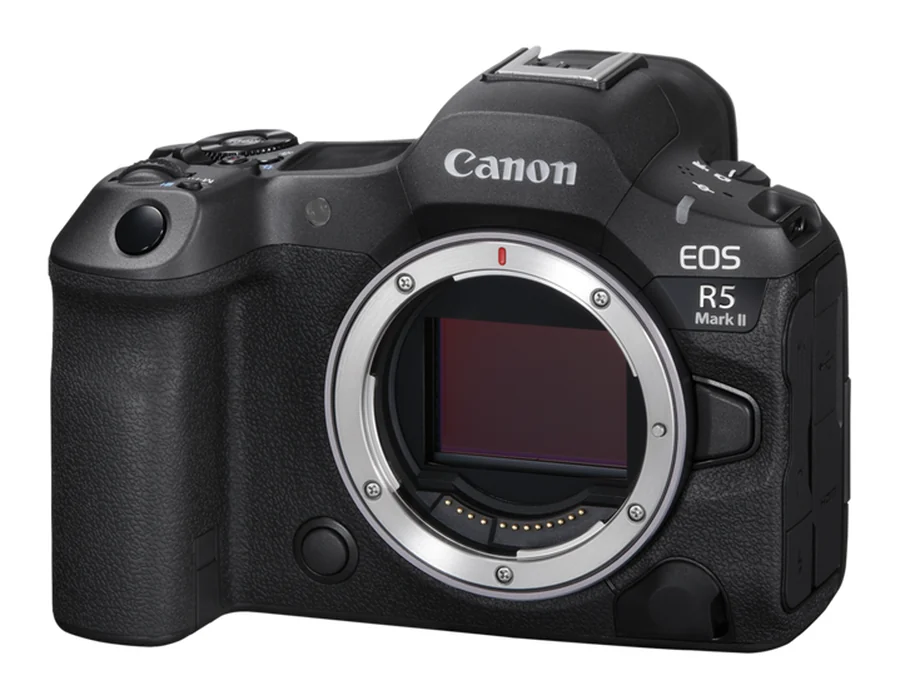
The EOS R5 Mark II replaced the original R5 in July 2024. Resolution stays at around 45 MP, but the sensor is now a stacked BSI design that reads out fast enough for 30 fps with the electronic shutter, or 12 fps with the mechanical one. Autofocus adds Eye Control AF and Action Priority to detection of people, animals and vehicles, video goes up to 8K RAW at up to 60p, and in-body stabilisation is rated at up to 8.5 stops at the centre of the frame (7.5 at the edges). For studio work it offers focus bracketing with stacking in camera and tethering through EOS Utility over USB, Wi-Fi or Ethernet. What it no longer has is pixel shift: the R5 gained an IBIS High Resolution mode in firmware 1.8.1, but the Mark II drops it and offers neural-network upscaling in camera instead, which enlarges the file rather than recording more detail from the set.
Price: £4,499 (body only)
Specification: https://www.canon.co.uk/cameras/eos-r5-mark-ii/specifications/
Mirrorless Full Frame Canon EOS R6 Mark III
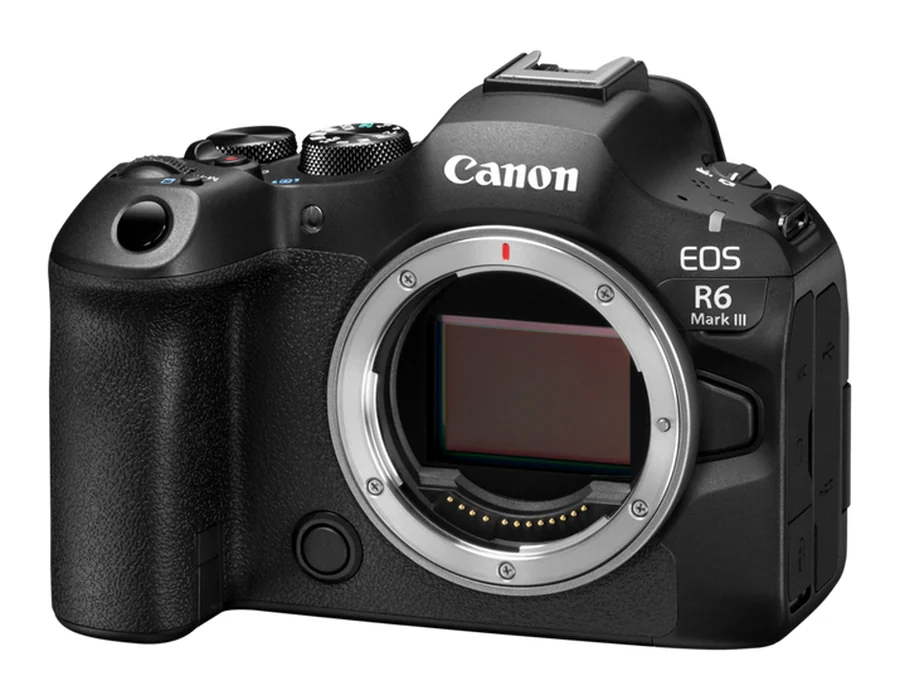
The EOS R6 Mark III, announced in November 2025, is two generations on from the original R6, and for stills the change that matters most is resolution: 32.5 MP instead of 20 MP. It shoots up to 12 fps with the mechanical shutter and 40 fps with the electronic one, focuses with Dual Pixel CMOS AF II and subject detection, and records 7K RAW at up to 60p, including 3:2 open gate. Stabilisation is rated at up to 8.5 stops at the centre, and the body takes one CFexpress and one SD UHS-II card at about 609 g. On a product set, focus bracketing with depth compositing in camera works in JPEG, HEIF, RAW and C-RAW, and tethering runs through EOS Utility over USB or Wi-Fi. There is no pixel shift, so 32.5 MP is what you get from every file.
Price: £2,799 (body only)
Specification: https://www.canon.co.uk/cameras/eos-r6-mark-iii/specifications/
Mirrorless Full Frame Canon EOS R8 Mark II
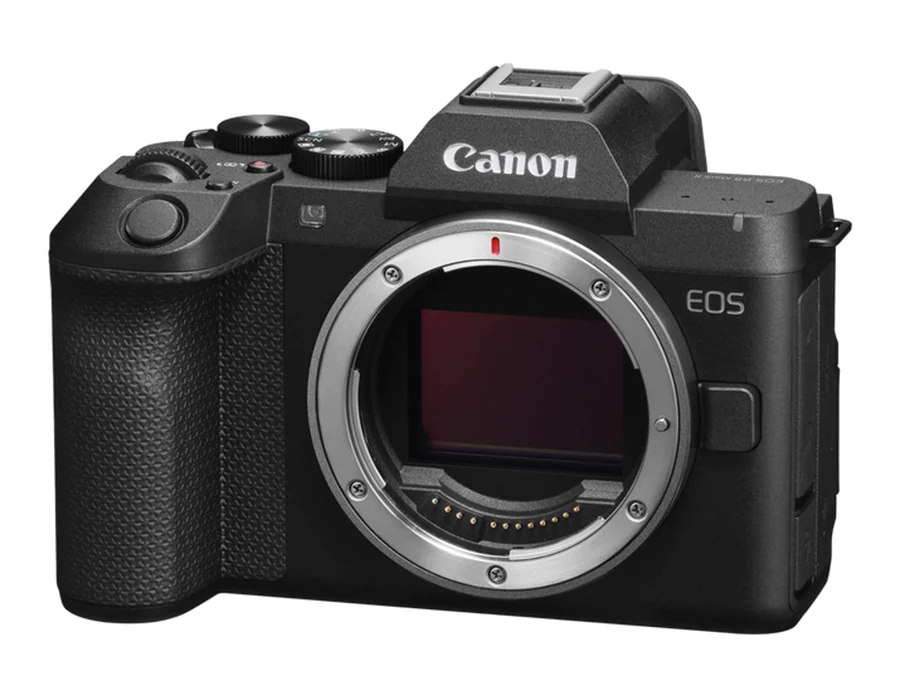
The EOS R8 Mark II now fills the role the EOS RP once had: Canon's compact way into full frame. It keeps a 24.2 MP sensor and adds what the RP never had, in-body stabilisation, rated at up to 7.5 stops at the centre. Bursts run at 6 fps with the electronic first curtain or up to 40 fps fully electronic, Dual Pixel CMOS AF II detects people, animals and vehicles, and 4K runs at up to 60p, oversampled from 6K without a crop. The body weighs about 499 g and takes a single SD UHS-II card. Focus bracketing with compositing in camera covers simple focus stacks of small products, but we have not been able to confirm its tethering options (Canon's product page mentions remote control over Wi-Fi). The original EOS R8 is still on sale for noticeably less, £1,229 body only or £1,429 with the RF 24-50mm, but it has no in-body stabilisation.
Price: £1,729 (body only)
Specification: https://www.canon.co.uk/cameras/eos-r8-mark-ii/specifications/
Mirrorless Sony Camera
Sony is a recognised leader in photographic innovation and technology, offering a wide range of mirrorless cameras that attract the attention of professionals and amateurs alike. Sony mirrorless cameras are prized for their advanced technology, performance and image quality, making them among the most desirable on the market.
Mirrorless Sony Camera A7 V
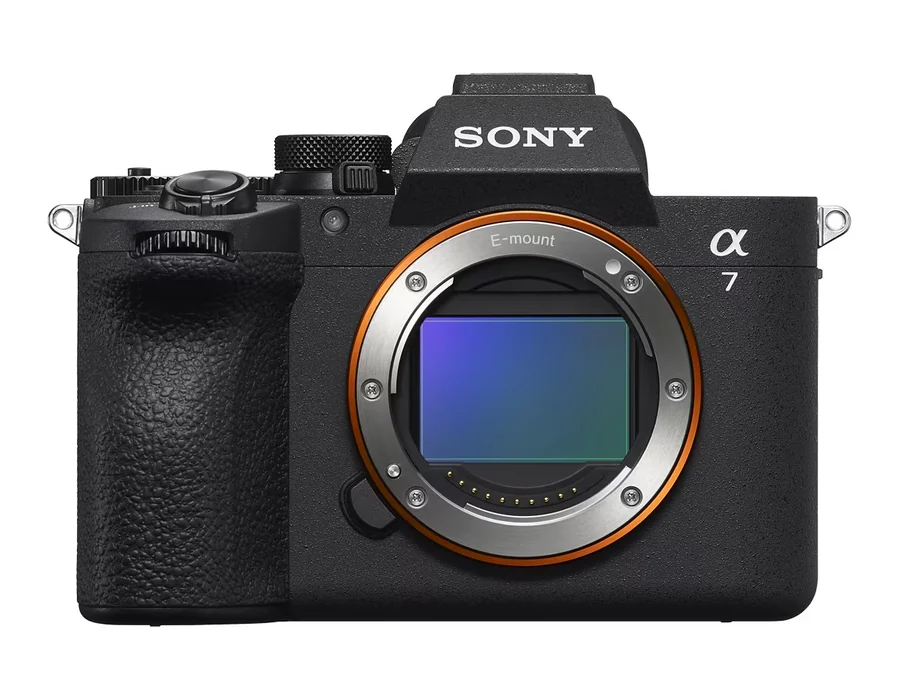
The A7 V, announced in December 2025, is two generations on from the A7 III and moves Sony's all-round full-frame body onto a partially stacked 33 MP sensor, up from 24 MP. The faster readout allows 30 fps with the electronic shutter (10 fps mechanical), and the 759-point phase-detection AF now uses AI subject recognition. Video reaches 4K 120p in 10-bit, with 4K 60p oversampled from 7K, and in-body stabilisation is rated at 7.5 stops at the centre (CIPA 2024). In the studio it tethers over USB, through PC Remote or by FTP, and its two USB-C ports with power delivery are handy on long tethered sessions; there is no pixel shift, and we could not confirm focus bracketing on Sony's spec page. If you do not need the speed, the A7 IV, also 33 MP, is still sold for about £1,799 body only.
Price: £2,399 (body only, authorised UK dealers)
Specification: https://www.sony.co.uk/electronics/interchangeable-lens-cameras/ilce-7m5/specifications
Mirrorless Sony Camera A7R VI
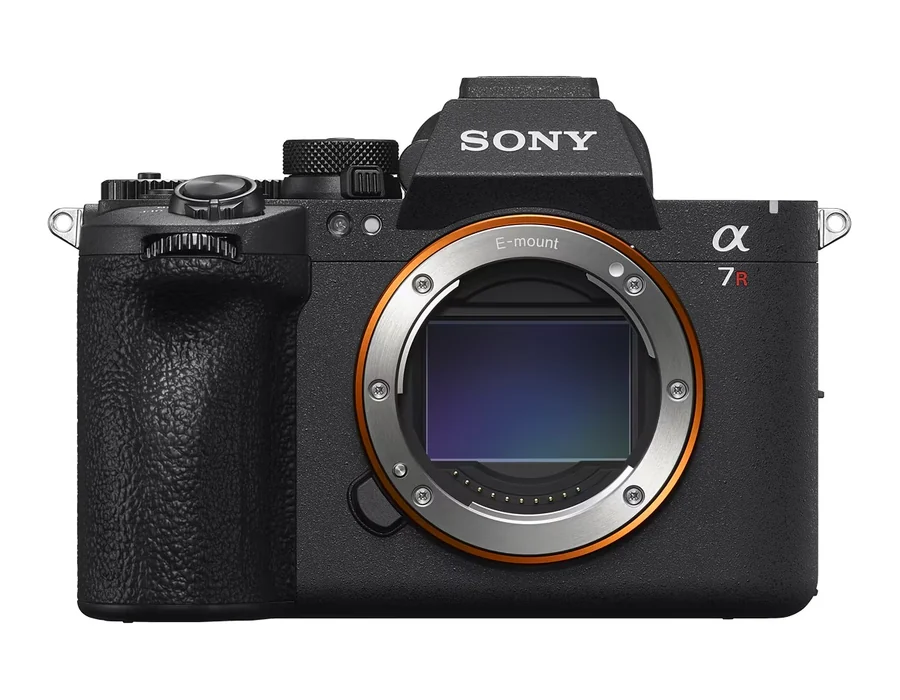
The A7R VI, announced in May 2026, is two generations on from the 61 MP A7R IV and Sony's current high-resolution body. Its fully stacked sensor has about 66.8 MP and reads out fast enough for 30 fps at full resolution with the electronic shutter (10 fps mechanical). For product and still-life work the key feature is Pixel Shift Multi Shooting: with the camera locked down, it captures 4 or 16 frames that Sony's software merges into one file, which pays off on fabrics, artwork and packaging where texture sells the product. Tethering covers USB, PC Remote and FTP, stabilisation is rated at 8.5 stops at the centre, and both card slots take CFexpress Type A or SD UHS-II. Retailers list focus bracketing of up to 299 frames, but Sony's spec page we checked does not mention it yet. The A7R V costs about £2,999 body only and already offers 61 MP, pixel shift and focus bracketing, so it is still the sensible studio buy if you do not need the speed.
Price: £3,999 (body only, Sony Centre UK, down from £4,399)
Specification: https://www.sony.co.uk/electronics/interchangeable-lens-cameras/ilce-7rm6/specifications
Mirrorless Sony Camera A6700
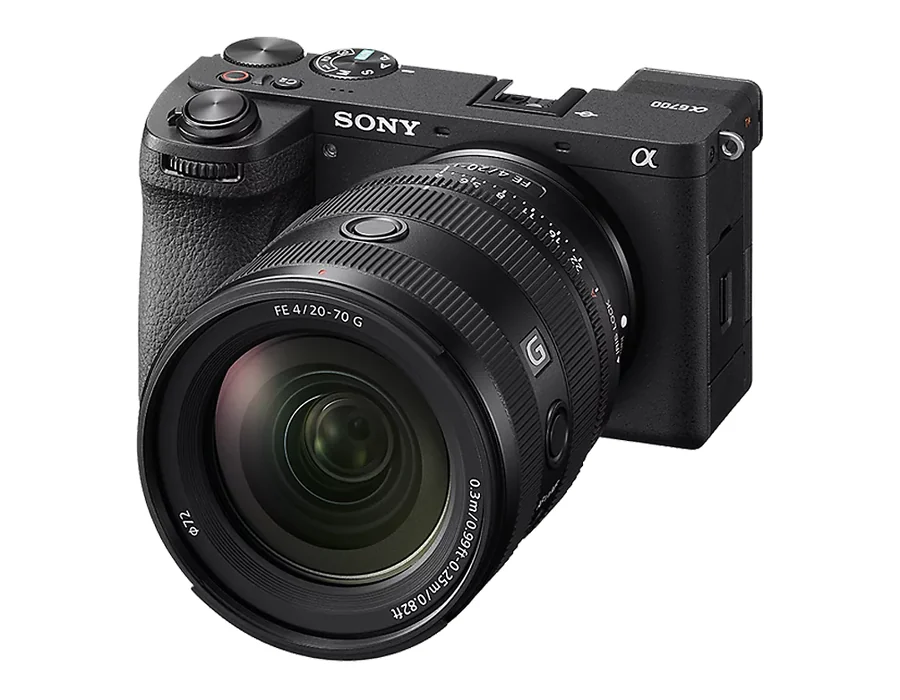
The A6700 takes the A6600's place in Sony's APS-C range; the older model is no longer sold. Resolution rises slightly to 26 MP, the 759-point phase-detection AF gains AI subject recognition, and the camera shoots up to 11 fps. Video reaches 4K 120p in 10-bit, five-axis stabilisation is rated at 5 stops, and the 3-inch touchscreen now swings out to the side, which helps when the camera sits low over a tabletop set. The body weighs about 409 g and uses a single SD UHS-II card. It can be controlled from a computer with PC Remote, but there is no pixel shift and we could not confirm focus bracketing in Sony's specification.
Price: £1,329 (body only, authorised UK dealers)
Specification: https://www.sony.co.uk/interchangeable-lens-cameras/products/ilce-6700/spec
Mirrorless Camera Nikon
Nikon has a range of mirrorless cameras that stand out for their robustness and reliability. The company is renowned for producing cameras that combine advanced imaging technologies with durability and convenience, making them a popular choice with professionals and photography enthusiasts around the world.
Mirrorless Camera Nikon Z7 II

The Z7 II stays in this guide unchanged: it is still in stock in Nikon's UK store, and as of October 2026 Nikon has not announced a Z7 III. Its 45.7 MP full-frame sensor matches the roughly 45 MP of the Canon EOS R5 Mark II for £2,299 against £4,499, while the Sony A7R VI goes further with 66.8 MP and pixel shift for £3,999. The price of that saving is speed: up to 10 fps (about 9 fps in 14-bit RAW), 4K up to 60p and a 493-point hybrid AF with people and animal detection, where both rivals shoot up to 30 fps from stacked sensors. You do get five-axis sensor-shift stabilisation, a 3.2-inch tilting touchscreen that helps at low tabletop angles, and two card slots, CFexpress Type B/XQD plus SD UHS-II. For studio work it connects over USB-C and Wi-Fi, but Nikon's UK specification lists neither pixel shift nor focus shift shooting, so check the manual before you rely on in-camera focus bracketing.
Price: £2,299 (body only; £2,849 with the 24-70mm, £3,139 with the 24-120mm)
Specification: https://www.nikon.co.uk/en_GB/product/cameras/mirrorless/z-7ii
Mirrorless Camera Nikon Z50II
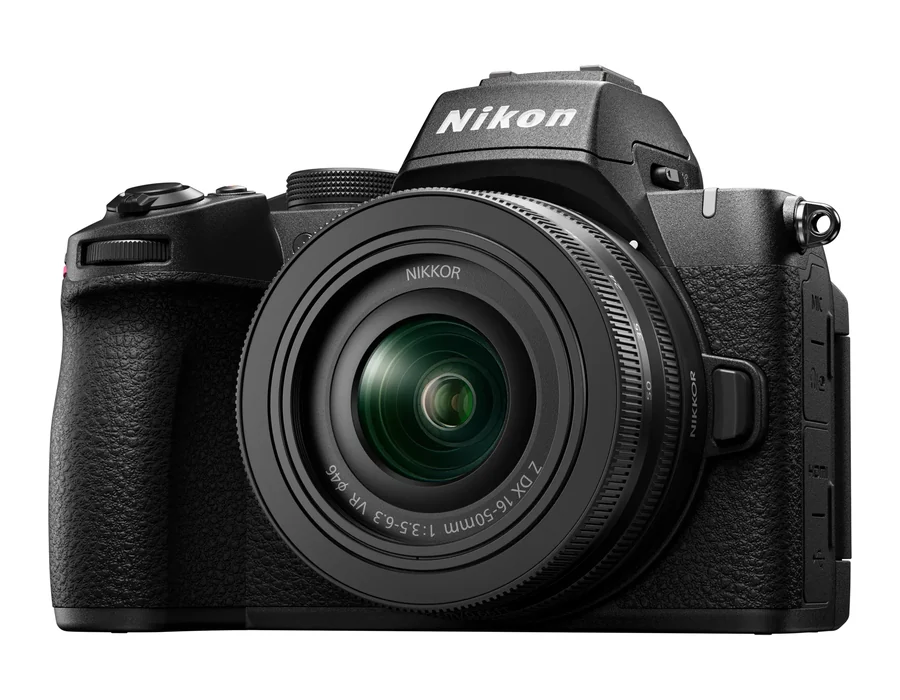
The Z50II, announced in November 2024, keeps the 20.9 MP DX sensor of the original Z50 but adds the EXPEED 7 processor used in Nikon's Z8 and Z9. That brings subject-detection autofocus with 3D tracking and a detection range down to -9 EV, 4K at up to 60p, and up to 11 fps in Continuous H (extended), or 30 fps in high-speed frame capture+ with Pre-Release Capture. The 3.2-inch screen now swings out to the side, and the body weighs about 495 g. There is no in-body stabilisation, so you rely on VR lenses such as the 16-50mm kit zoom, and there is no pixel shift; focus shift shooting is not listed in Nikon's UK specification either. It connects to a computer over USB-C or Wi-Fi, though we have not checked which tethering software supports it.
Price: £939 (body only; £979 with the 16-50mm lens)
Specification: https://www.nikon.co.uk/en_GB/product/cameras/mirrorless/z50ii
Which mirrorless camera best up to £1,000?
Budget is often the deciding factor when choosing new equipment. Fortunately, the mirrorless market offers a wide range of price options, including many high-quality models available for less than £1,000. In this price range, you can find cameras with good image quality, solid additional features and decent connectivity. It is important to pay attention to what is most important to your style of photography and what features are essential. Whether it be travel, street photography, portraits or video work, the market has plenty to offer at affordable prices.
Mirrorless Camera OM System OM-D E-M10 Mark IV
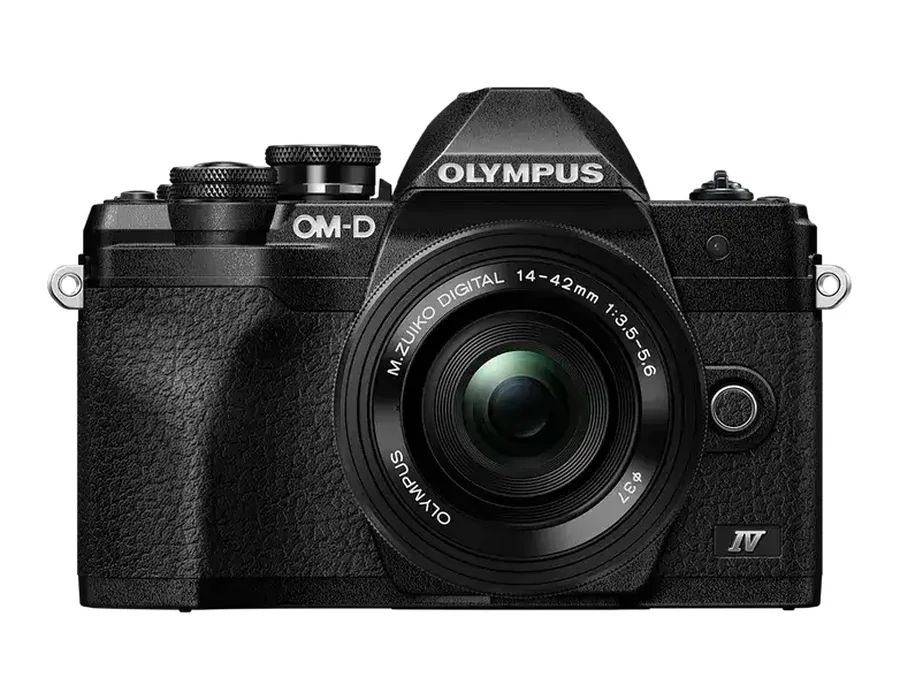
The E-M10 Mark IV was launched under the Olympus name in August 2020 and is now sold by OM System; there is no Mark V, so it remains the current model in the line. Compared with the Mark III S it moves from 16 MP to a 20 MP Micro Four Thirds sensor, shoots 15 fps with the electronic shutter, records 4K video and charges over USB. Five-axis in-body stabilisation is built in, and the touchscreen tilts down for selfies. Photos go to a phone over Wi-Fi and Bluetooth with the OI.Share app. OM System's UK page does not confirm pixel shift, focus bracketing or tethering for this body, so for product work check the full specification before you buy.
Price: from £719 (OM System UK store, body or kit not stated); £749 with the 14-42mm EZ lens (Clifton Cameras)
Specification: https://explore.omsystem.com/gb/en/om-d-e-m10-mark-iv
Mirrorless Camera Canon EOS R50
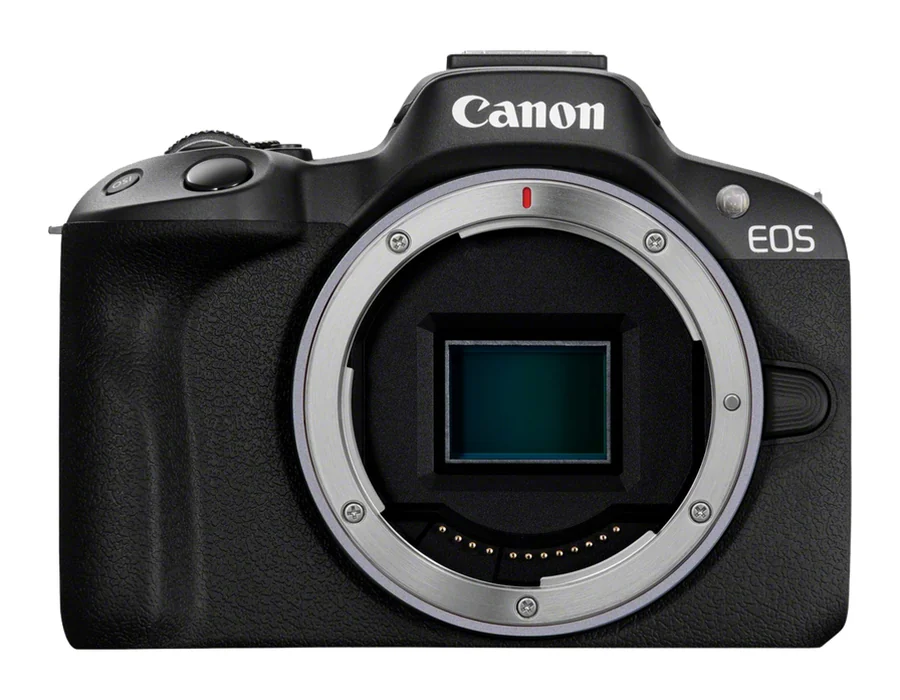
The EOS R50 is still current and on sale: there is no Mark II, and the EOS R50 V from April 2025 is a video-focused version without a viewfinder rather than a replacement. It pairs a 24.2 MP APS-C sensor with Dual Pixel CMOS AF II and subject detection, shoots 12 fps with the mechanical shutter or 15 fps electronically, and records 4K at up to 30p. The black body weighs about 328 g, or 375 g with card and battery. There is no in-body stabilisation and only one SD UHS-I slot, and focus bracketing is not listed in Canon's UK specification, so for deep focus on small objects assume you will stack frames by hand.
Price: £649 (body only, down from £749); £759 with the RF-S 18-45mm
Specification: https://www.canon.co.uk/cameras/eos-r50/specifications/
Mirrorless Camera Panasonic Lumix G97
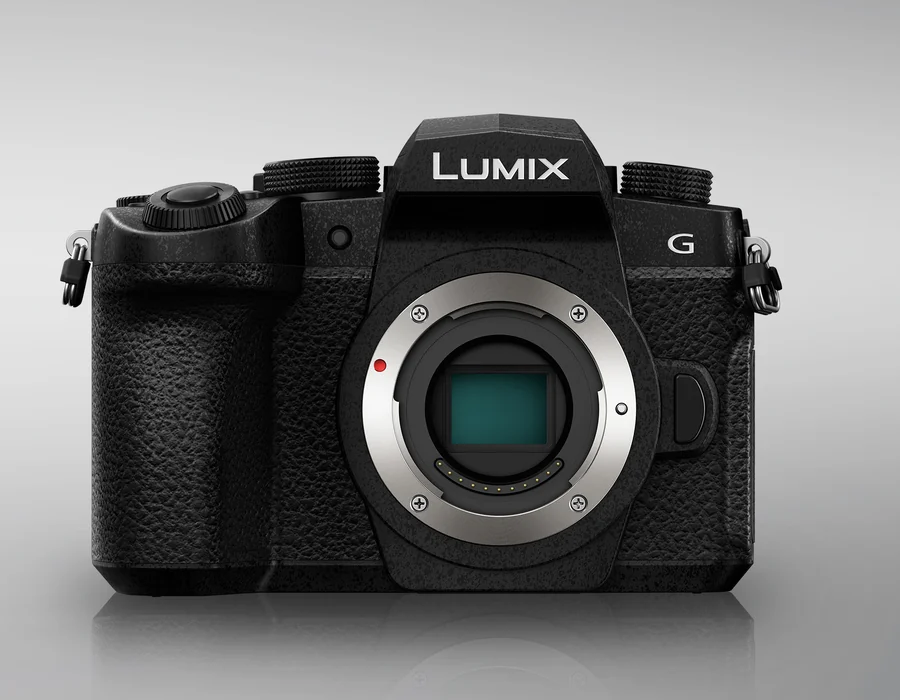
The Lumix G97, announced in December 2024 and on sale since February 2025, is the current model in the line that runs from the G7 through the G80 and G90. Against the G7 it gains a 20.3 MP sensor without a low-pass filter instead of 16 MP, five-axis in-body stabilisation rated at 5 stops, and 4K 30p with no recording time limit and V-Log L. Autofocus is contrast-based with DFD and face and eye detection, at 9 fps in AFS or 6 fps in AFC with the mechanical shutter. For product work it is the strongest of the three budget picks: focus bracketing of 1 to 999 frames in 10 step sizes, plus Post Focus and Focus Stacking in camera, handles small objects that need sharpness from front to back. It charges over USB-C, but we have not confirmed LUMIX Tether support, so check that before planning a tethered set-up.
Price: £649 (body only); £749 as the G97M kit with the 12-60mm lens
Specification: https://www.panasonic.com/uk/consumer/cameras-camcorders/lumix-mirrorless-cameras/lumix-g-cameras/dc-g97.html
Summary
The mirrorless camera market offers a wide range of models to meet the varied needs of photographers at every level. Which mirrorless camera to choose is not only a matter of technical specifications, but also of personal preferences in terms of ergonomics, design and user interface. Before making a final choice, it's worth testing several models in person to see which one fits best in the hand and which interface is the most intuitive. Remember, the best mirrorless camera is the one you will enjoy using! And if what you need is finished product photos rather than a new camera, see our product photography services.