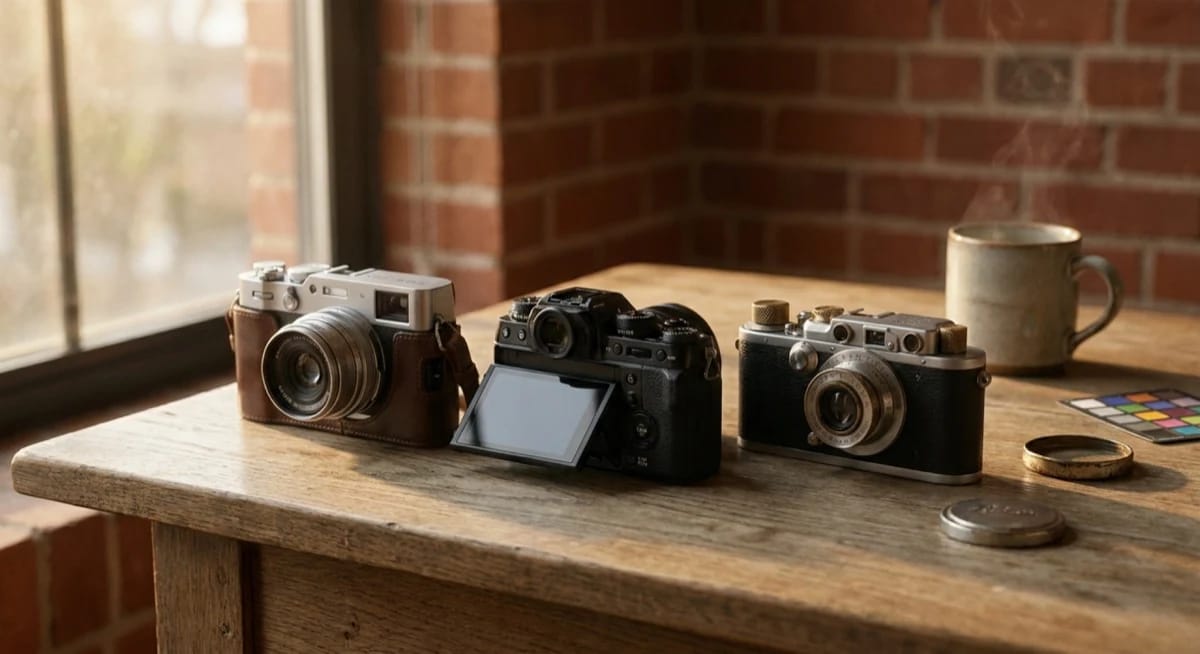
2026 marks the eighth year of Sony A6400 dominance in the APS-C rankings, but the market finally has alternatives that give it genuinely sharp competition. Fujifilm X-T5 with its 40-megapixel X-Trans sensor and Pixel Shift 160 MP mode, Nikon Z fc with vintage styling and a full-frame mount, plus outsiders like Canon EOS R10 and Panasonic Lumix S5II are genuinely redefining what "best camera for product photography" means in the 600-1600 pound bracket. CIPA confirms in its Q1 2026 report that mirrorless cameras now make up 93% of all interchangeable lens camera shipments globally - DSLRs sit at 7% and the share keeps falling.
The UK market follows the same trajectory: industry data from the BPI (British Photographic Industry) suggests that in 2025 mirrorless cameras took 68% of the value of the total UK camera market (DSLRs and film bodies combined held 32%). This article compares the top 3 APS-C models in 2026 from the perspective of online retailers and product photographers, with particular focus on a critical but often overlooked topic: tethered shooting, meaning controlling your camera from a laptop during a studio session. This is where the biggest difference between models hides - especially watch out for the A6400 (Micro USB 2.0!) and Nikon Z fc (no live view in NX Tether 2.0).
Why a mirrorless body for product photography in 2026
Three reasons why mirrorless cameras have won the market against DSLRs in the product photography segment:
- Live View in the viewfinder - you see exactly what you will get in the final shot (with focus, exposure, white balance) instead of looking through a mirror. For a packshot on a white background this is revolutionary - you can immediately spot whether the background is clean or whether the product is throwing shadows.
- Lower weight and a more compact body - a typical APS-C mirrorless camera weighs 400-650 g (Sony A6400: 403 g, Fujifilm X-T5: 557 g). DSLRs like the Canon 6D Mark II come in around 750 g, the Nikon D750 also 750 g. Across an 8-hour shoot this is a meaningful difference.
- Better autofocus in live view - PDAF (Phase Detection AutoFocus) built into the sensor identifies subjects with pixel-level accuracy. For a packshot at f/8-11 a single tap-to-focus is enough.
What mirrorless cameras do not win against DSLRs: battery life (Sony A6400: 410 frames vs Canon 6D Mark II 1200 frames with the LCD off), mechanical durability (a DSLR survives 200,000 cycles, mirrorless 100,000-150,000), support for "older" lenses (DSLRs mount tens of thousands of vintage models from the 1980s and 1990s, mirrorless bodies need adapters). For studio product photography these are second-order drawbacks - battery life does not matter when you are mains-powered, and 100,000 cycles equals 3 years of intensive use.
An aspect overlooked in 99% of guides: UK SERPs for "best camera for product photography" rarely include articles tailored for e-commerce sellers. I checked the top 10 results on Google.co.uk - they are guides for vloggers, travellers and wedding photographers, but next to nothing covering Etsy, eBay UK or Shopify shop owners. That is the gap we fill below.
Sony A6400 - the 7-year evergreen still in the top 3 product photography cameras
The Sony Alpha 6400 has been on the market since 2019 and still sells brilliantly - it is a classic "evergreen" product that never had a direct successor (the Sony A6700 from 2023 replaced the A6600, but the A6400 line stayed in production). Specifications:
- Sensor: APS-C CMOS 24.2 MP, ISO 100-32,000 (ext. 102,400)
- DXOMARK Sensor Score: 83 points, dynamic range 13.6 EV at ISO 100, colour depth 24-bit, low-light ISO 1431
- Autofocus: Real-time Tracking AF, 425 PDAF points, Real-time Eye AF (animals + humans)
- Video: 4K UHD 30p (with a minimal 1.2x crop), Full HD 120p
- USB: Micro USB 2.0 (480 Mbps) - NOT USB-C as on newer models
- Battery: NP-FW50, 410 frames with EVF, 410 with LCD
- Weight with battery: 403 g
- UK price May 2026: around 729 pounds body only at Park Cameras and Wex Photo Video, 849 pounds with the 16-50mm kit lens at Jessops, 819 pounds at LCE (London Camera Exchange)
What the A6400 does best: Real-time Eye AF for portraits (critical if you shoot lifestyle with a model), Sony's flawless colour science (skin tones with no correction in post), a rich Sony E-mount lens lineup (50+ APS-C models, plus full-frame FE optics work with crop). Weak points: Micro USB 2.0 (20x slower than USB-C 3.2 - critical for tethering), no IBIS (in-body image stabilisation), a single SD card slot (UHS-I) and a menu interface that feels straight out of 2014.
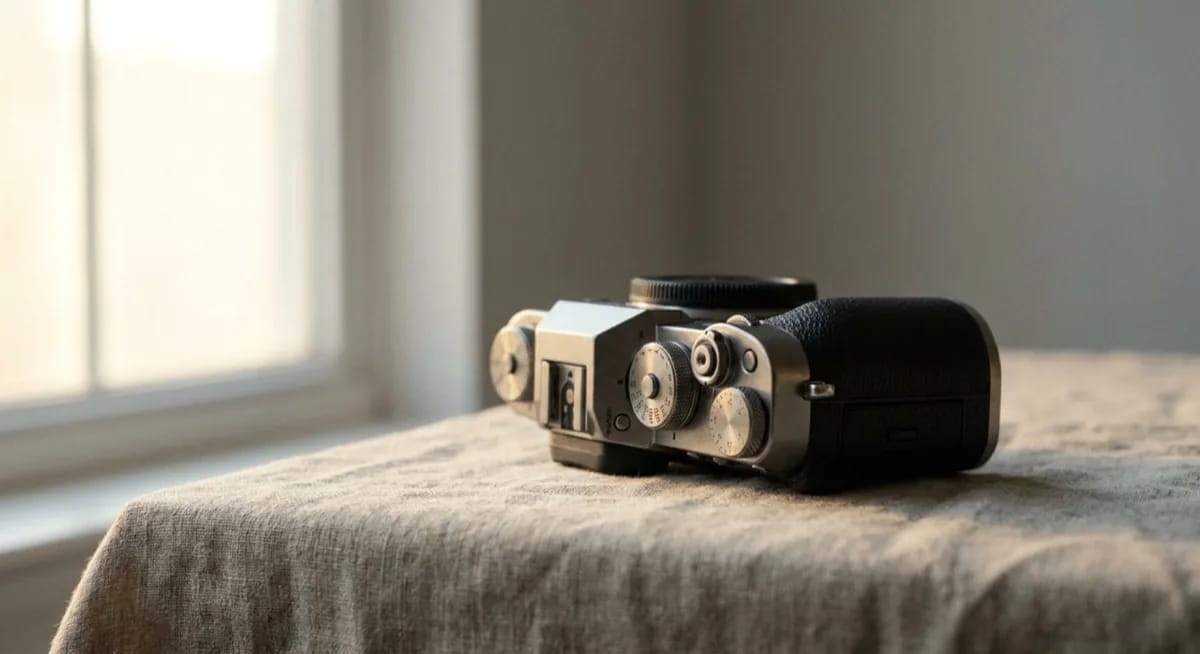
Who Sony A6400 is for: a universal pick for 80% of online shops. It works brilliantly for e-commerce photography (small body, fast AF for batch packshots), lifestyle (Eye AF, colour science) and social media (4K without the 1.2x crop). The main constraint: tethered shooting through Capture One works, but WITHOUT live view (workaround via HDMI cable to a separate monitor). If you plan a lot of studio work with a laptop, consider the X-T5 instead.
Fujifilm X-T5 review - 40 MP and Pixel Shift 160 MP for packshots

The Fujifilm X-T5 (released November 2022, still the X-T line flagship) is the strongest competitor to the Sony A6400 in 2026 - with a sizeable lead for professional applications. Specifications:
- Sensor: APS-C X-Trans CMOS 5 HR, 40.2 MP, ISO 125-12,800 (ext. 64-51,200)
- Pixel Shift Multi-Shot: 160 MP (combination of 20 exposures) - for static subjects (still life, jewellery, fine art)
- Autofocus: 425 PDAF points, AI-based subject detection (humans, animals, vehicles, aircraft)
- IBIS: 5-axis stabilisation, up to 7 stops
- Video: 6.2K 30p, 4K 60p, Full HD 240p
- USB: USB-C 3.2 Gen 2 (10 Gbps) - 20x faster than Sony's Micro USB
- PC Sync socket - critical for studio strobes (Sony does not have one)
- Battery: NP-W235, 580 frames
- Weight with battery: 557 g
- UK price May 2026: around 1,599-1,749 pounds body only at Wex Photo Video, Park Cameras and Calumet UK
What the X-T5 does uniquely well: Pixel Shift 160 MP is an absolute game-changer for jewellery, postage stamps, coins and miniature work. The camera takes 20 exposures with sub-pixel sensor displacement and merges them into one file - the result is a pixel density comparable to the medium format Hasselblad H6D-100c (costing 35,000 pounds rather than 1,599 pounds). On top of that, Fuji has 14 built-in film simulations (Velvia, Provia, Acros, Eterna, Classic Chrome) - for brand consistency in lookbooks this saves hours in post-production.
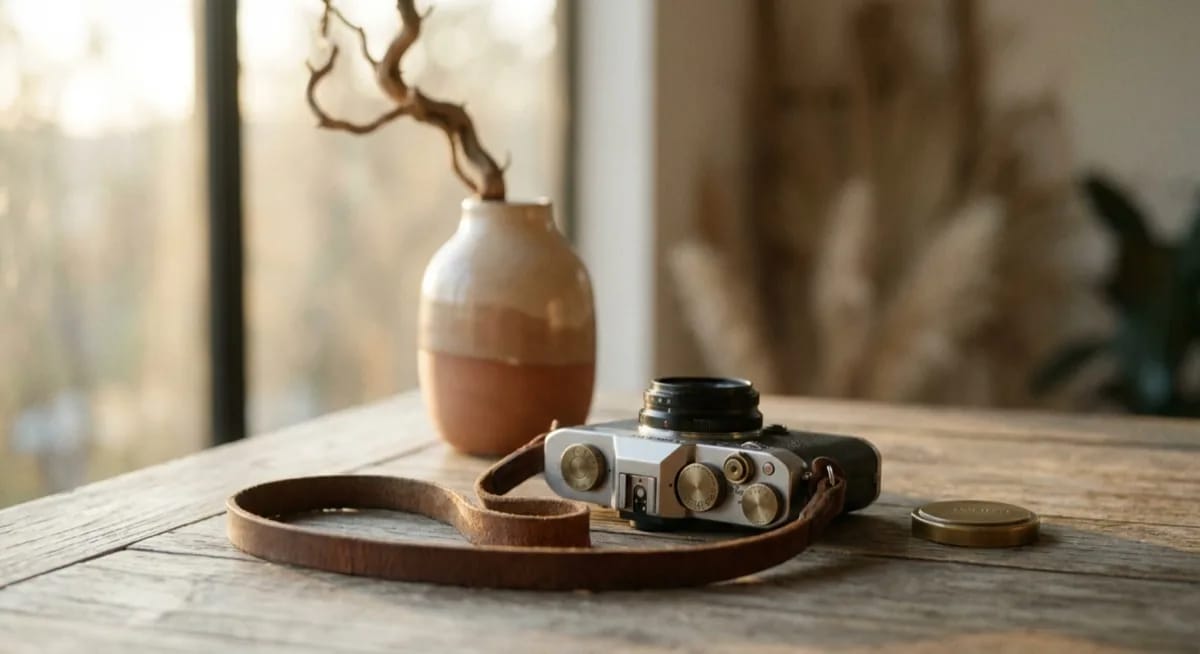
X-T5 weak points: X-Trans is not measured by DXOMARK (the firm uses a different testing methodology and X-Trans technology has a different colour array than the classic Bayer pattern), so there is no official score - but independent PhotonsToPhotos tests show PDR (Photographic Dynamic Range) of 10.7 EV at ISO 100 (vs 10.5 EV for the Sony A6400). Second downside is the battery - the spec sheet's 580 frames often translates to 350-400 in heavy use (IBIS and high resolution drain power). Third downside: Capture One for Fujifilm is a separate licence (129 dollars perpetual or 179.99 dollars per year) - a higher initial cost than Sony.
Who the X-T5 is for: photographers specialising in small products (jewellery, cosmetics, postage stamps), where 40 MP + Pixel Shift give an edge unreachable by 24 MP rivals. Also studios running tethered shooting - USB-C 3.2 Gen 2 + Capture One for Fujifilm + PC Sync = a complete professional workflow.
Nikon Z fc - retro styling, modern engineering
The Nikon Z fc (released 2021, still in production in 2026) is the "third player" in APS-C mirrorless - with unique positioning around vintage styling (a clone of the 1980s Nikon FM2) and the full Z mount (the option to use full-frame Nikkor Z lenses without adapters). Specifications:
- Sensor: APS-C CMOS 20.9 MP (the lowest of our trio), ISO 100-51,200
- Autofocus: 209 PDAF points, Eye AF + Animal AF
- Video: 4K UHD 30p, Full HD 120p
- USB: USB-C 3.2 Gen 1 (5 Gbps)
- Battery: EN-EL25, 300 frames with EVF (the weakest)
- Weight with battery: 445 g
- UK price May 2026: around 839 pounds body only at Park Cameras, Wex Photo Video and Castle Cameras; the Nikon Winter 2026 promo runs to 26 January 2026 with up to 350 pounds off the kit lens bundle
The Z fc's standout asset: vintage styling with shutter speed, white balance and ISO dials on the top plate of the body. For content creators leaning into the "vintage photographer aesthetic" this matters (TikTok, Instagram lifestyle). The second asset is the full Z mount - you can buy full-frame Nikkor Z lenses (such as the phenomenal 50/1.8 S for around 525 pounds) and use them without compromise (with a 1.5x crop on APS-C).
A critical drawback for product photography: no live view in NX Tether 2.0. The list of Nikon cameras for which NX Tether 2.0 (Nikon's official tethering software) does NOT support live view: Z fc, Z5, Z30, Z50, Zf. This means you shoot "blind" - you trigger the shutter from your laptop but cannot see in real time what the camera is currently framing. Workaround: use Capture One Pro for Nikon (129 dollars perpetual) - it supports live view for the Z fc through its own driver, but requires a separate licence. A second workaround: a smartphone running SnapBridge (live preview on the phone, control via Wi-Fi) - fine for occasional use, weak for a full studio session.
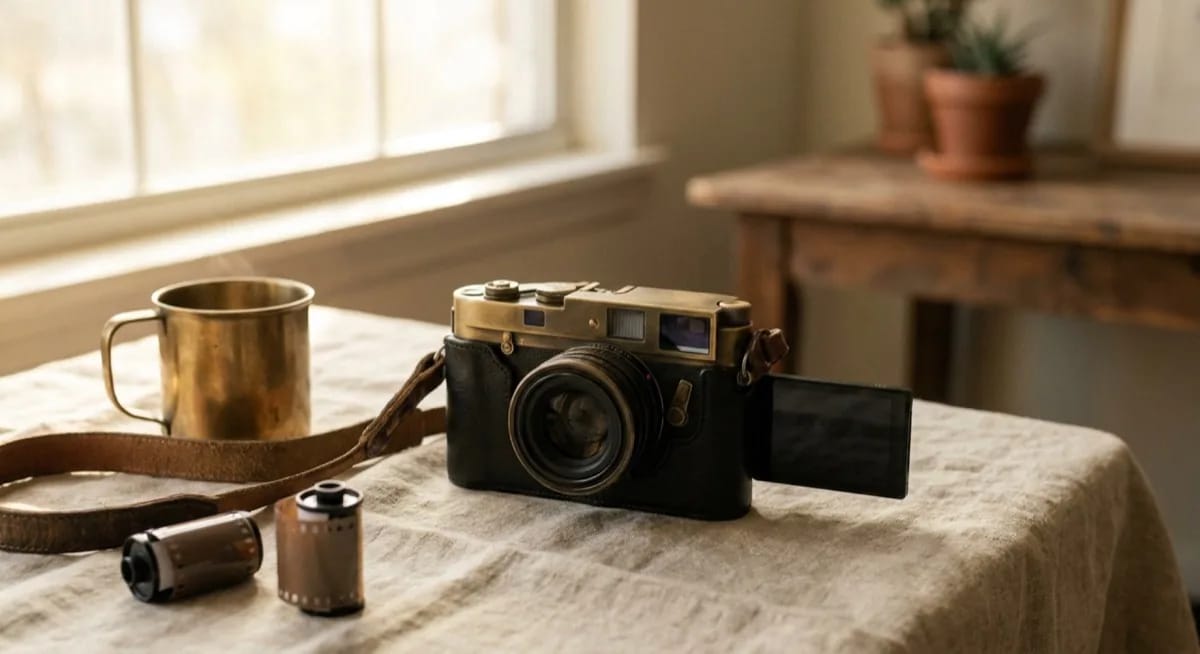
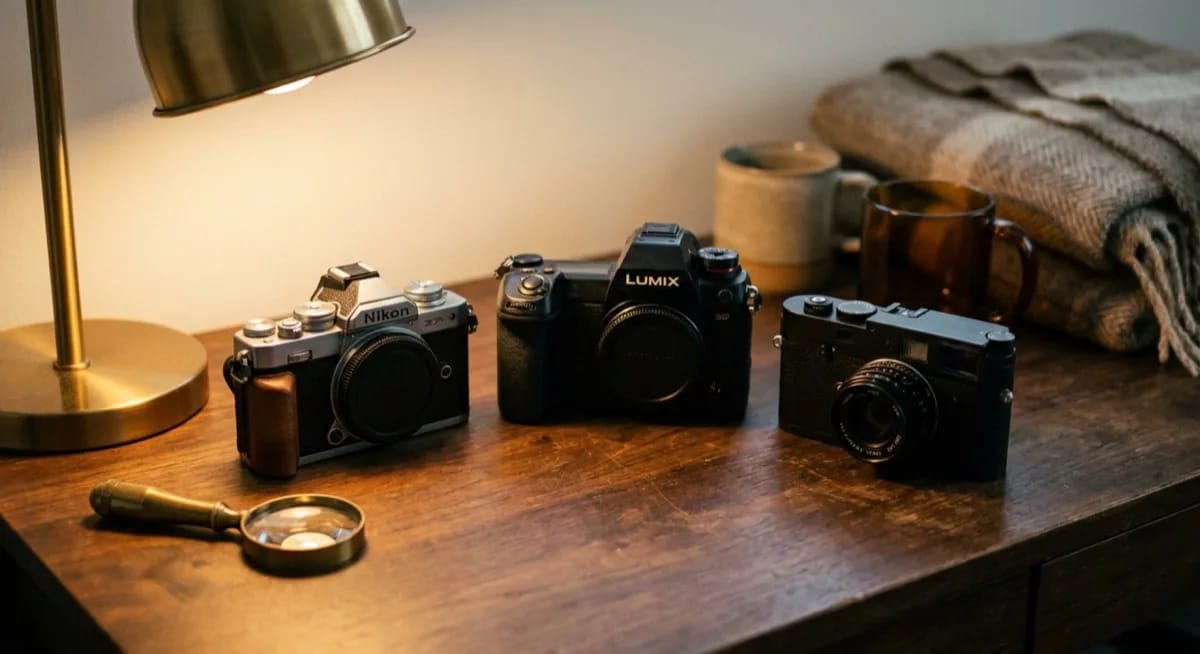
Comparison table - top 3 product photography cameras plus alternatives
| Feature | Sony A6400 | Fujifilm X-T5 | Nikon Z fc | Canon EOS R10 |
|---|---|---|---|---|
| Sensor | 24.2 MP | 40.2 MP + 160 MP PSM | 20.9 MP | 24.2 MP |
| DXOMARK score | 83 | n/a (X-Trans) | n/a | n/a |
| Dynamic range PDR @ISO 100 | 10.5 EV | 10.7 EV | 10.4 EV | 10.3 EV |
| Autofocus points | 425 | 425 | 209 | 651 |
| IBIS | None | 5-axis, 7 stops | None | None |
| USB | Micro USB 2.0 (480 Mbps) | USB-C 3.2 Gen 2 (10 Gbps) | USB-C 3.2 Gen 1 (5 Gbps) | USB-C 3.2 Gen 1 |
| PC Sync socket | No | Yes | No | No |
| Live View tethered | Yes (via HDMI) | Yes (Capture One) | No (NX Tether 2.0) | Yes |
| Video | 4K 30p | 6.2K 30p / 4K 60p | 4K 30p | 4K 60p |
| Battery (frames) | 410 | 580 | 300 | 430 |
| Weight | 403 g | 557 g | 445 g | 426 g |
| UK price May 2026 (body) | 729 pounds | 1,599-1,749 pounds | 839 pounds | 849 pounds |
Verdict from the table: the Fujifilm X-T5 is the king of APS-C for product photography on the full scorecard (40 MP + Pixel Shift 160 MP + USB-C 3.2 Gen 2 + IBIS + PC Sync), but it costs 2x more than the Sony A6400 or Nikon Z fc. For 80% of online shops, the Sony A6400 or Canon EOS R10 are sufficient and economically more sensible. For 20% of specialists (jewellery, micro-products, batch packshots with tethered live view), the Fuji X-T5 is the only correct choice.
Tethered shooting - the crucial product photography camera setting most reviews skip
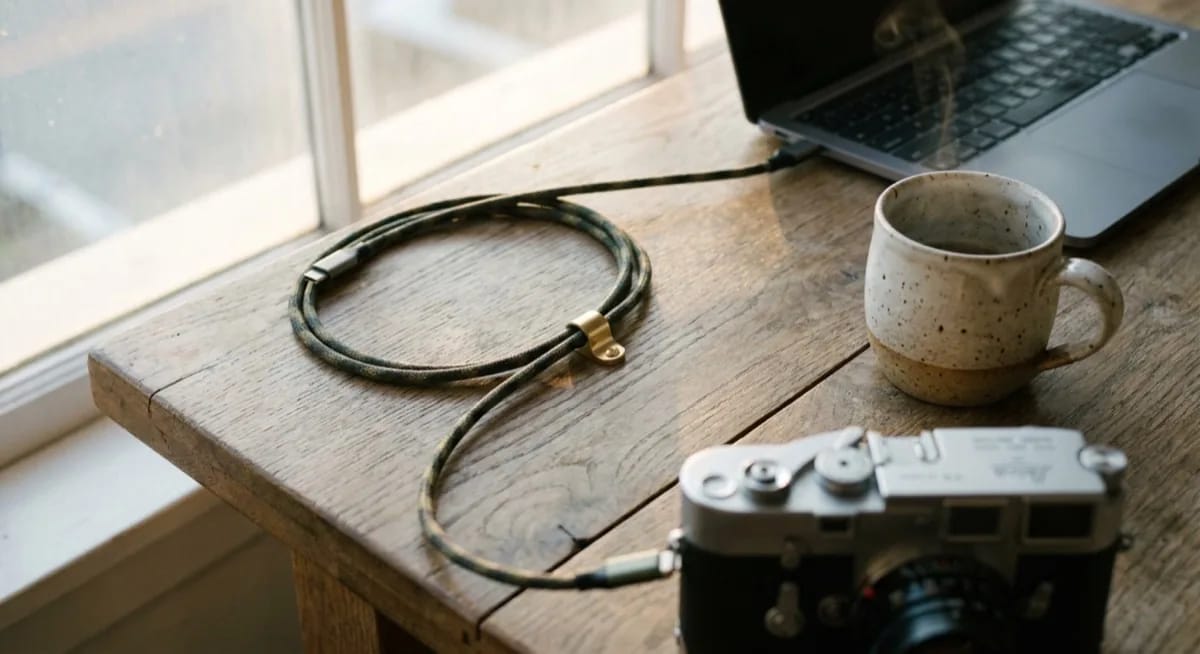
Tethered shooting means working with the camera connected to a laptop over USB. You take the shot, the file lands instantly on a 27 inch screen where you check sharpness, exposure and composition - no need to pull the card. This is the standard in product photography studios and one of the biggest "step-changes" in working quality with mirrorless cameras. But each body handles it differently:
| Camera | Capture One Pro | Lightroom Tether | Native (manufacturer) |
|---|---|---|---|
| Sony A6400 | Yes (NO live view, HDMI workaround) | NO (LR does not support Sony) | Imaging Edge Desktop (sync only) |
| Fujifilm X-T5 | Yes (with live view) | NO (LR does not support Fuji) | X RAW Studio + Tether App |
| Nikon Z fc | Yes (with live view) | Yes (LR Classic) | NX Tether 2.0 (NO live view for Z fc!) |
| Canon EOS R10 | Yes (with live view) | Yes (LR Classic) | EOS Utility 3 (full) |
Key takeaways for product photographers:
- Lightroom Classic does NOT support tethering for Sony or Fujifilm - a huge gap that Adobe has refused to close for years. If you work in Lightroom, you have to add Capture One Pro as a "second" tool just for tethering (around 299 dollars perpetual or 14.92 dollars per month subscription).
- Sony A6400 has the weakest tethering - Imaging Edge Desktop is stable but slow (Micro USB 2.0), with no live view in Capture One unless you route HDMI to a separate monitor. For 5-10 frames a day it is fine; for 50+ frames in a studio it becomes frustrating.
- Fujifilm X-T5 has the best tethering - Capture One for Fujifilm with full live view, USB-C 3.2 Gen 2 (10 Gbps) and full camera parameter control from the laptop. This is the only APS-C camera that genuinely competes with the full-frame Sony A7V in a studio.
- Canon EOS R10 has excellent tethering through EOS Utility (free from Canon) plus Lightroom Classic support. An often underrated option - around 849 pounds for a body with USB-C 3.2 Gen 1 and 4K 60p.
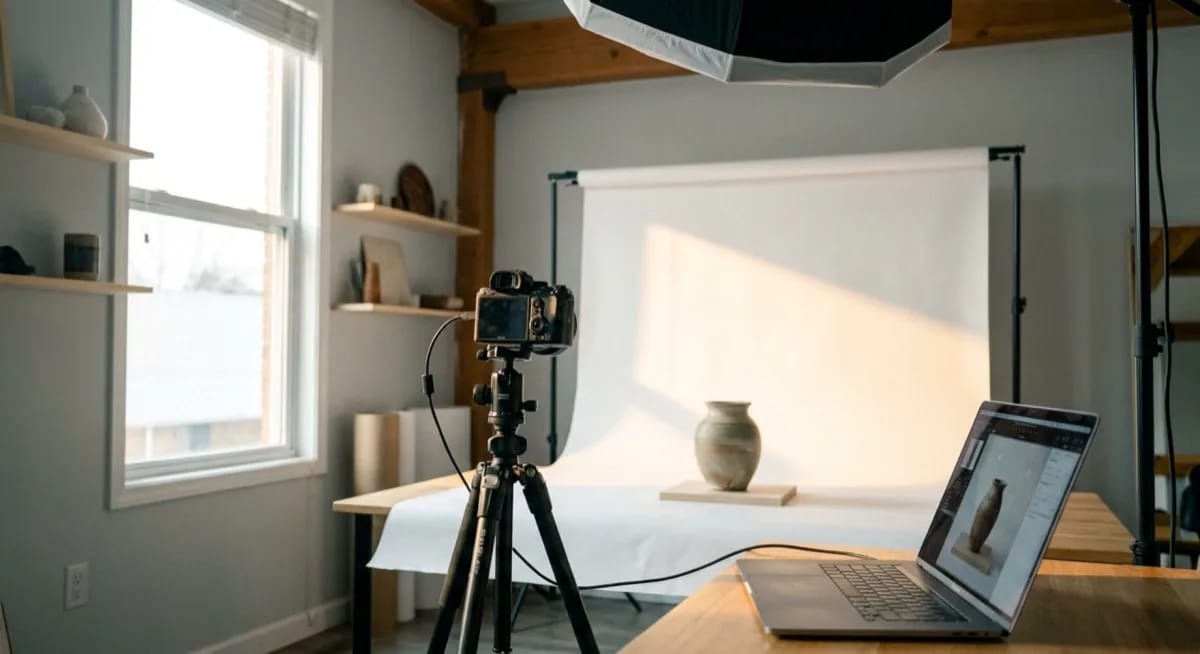
Best camera lens for product photography - macro is the second purchase

After choosing a body, the second critical purchase is a macro or close-focus lens. For 80% of studio product photography (packshots, jewellery, cosmetics, accessories) it is more important than the body itself - a great lens on a modest body delivers better results than a weak lens on a flagship.
- Sony FE 90mm f/2.8 Macro G OSS - around 880 pounds at Wex, compatible with the A6400 (with the 1.5x crop it gives a 135 mm equivalent), full 1:1 macro, excellent AF, OIS in the lens (compensates for the lack of IBIS in the A6400)
- Fujifilm XF 80mm f/2.8 R LM OIS WR Macro - around 1,099 pounds at Park Cameras, 1:1 macro, weather-sealed, ideal for the X-T5
- Nikon NIKKOR Z MC 105mm f/2.8 VR S - around 949 pounds at Jessops, 1:1 macro, S-line (Nikon's highest tier)
- Cheaper alternative: Sigma 70mm f/2.8 DG MACRO Art - around 419 pounds for Sony E mount, also full 1:1, excellent optical quality but slower AF
- Cheapest option: extension tubes on a classic 50mm f/1.8 lens - around 40-60 pounds, gives half-life-size macro (1:2)
For a packshot on white background without macro detail a classic 50mm f/1.8 is enough (Sony FE 50mm f/1.8 - around 219 pounds, Fujifilm XF 50mm f/2 R WR - around 449 pounds, Nikon Z 50mm f/1.8 S - around 525 pounds). The f/1.8 aperture is not necessary in a studio (we usually work at f/8-11 for depth of field), but the fast AF and compact form factor are real advantages.
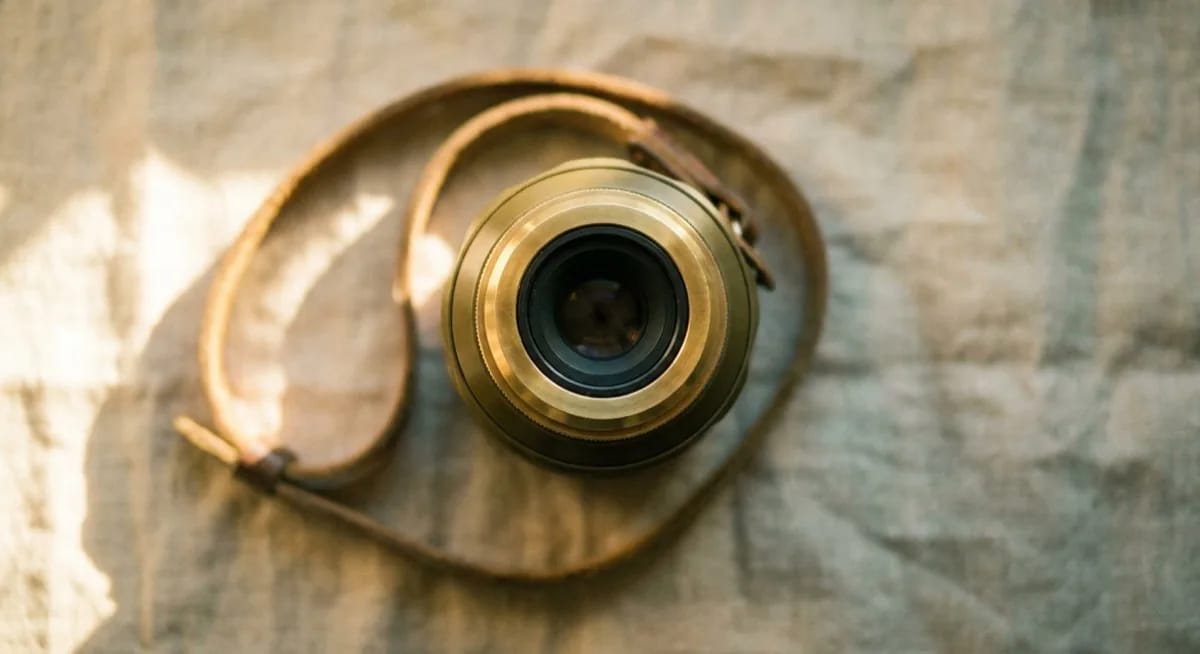
Lighting and accessories - what you actually need
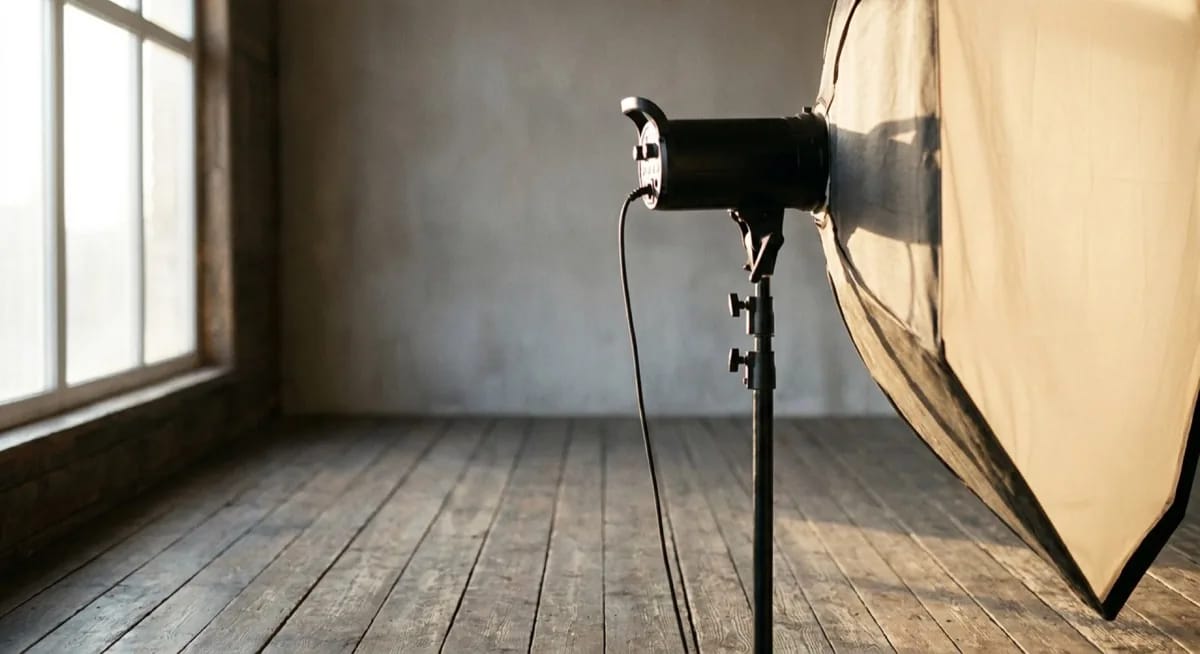
Without lighting, even the best camera will not do much. The minimum studio kit for product photography:
- Main light: Godox AD200 Pro (around 359 pounds at Wex Photo Video, 200 Ws, battery-powered) or Profoto B10X (around 1,895 pounds, premium)
- Softbox 60x60 cm: Godox SB-UE 60x60 - around 55 pounds at Calumet UK, compatible with the AD200
- Radio trigger: Godox X2T-S (Sony) 55-65 pounds, X2T-F (Fuji) 65 pounds, X2T-N (Nikon) 49 pounds at Park Cameras
- Studio tripod: Manfrotto 055XPRO3 - around 269 pounds at LCE, or Smallrig FreeBlazer (around 99 pounds, 60% cheaper)
- Seamless white background: Manfrotto BG-WHT 2.7x11 m - around 79 pounds at Wex (it lasts well, one roll covers 200-300 sessions)
- Product shooting table: shadowless tent 80x80 cm (around 55 pounds) or A2 acrylic sheet for around 45 pounds
- L-bracket for the camera: SmallRig X-T5: 75-99 pounds, A6400: 55-65 pounds (critical for vertical framing on a tripod)
- USB-C tethering cable: Tether Tools Optima 10G 4.6 m - around 169-199 pounds at Park Cameras (premium) or generic USB-C 5 m for around 18 pounds (works, but less reliable)
- DC Coupler (mains adapter for the camera): NP-FW50 dummy battery + AC adapter for the A6400 - around 45 pounds, critical for multi-hour sessions
Total cost of the minimum kit: around 1,200-1,550 pounds (excluding camera and lens). That means a typical "starter set" for studio product photography in the UK breaks down as follows:
- Budget (around 1,800-2,200 pounds): Sony A6400 + 50mm f/1.8 + Godox AD200 + softbox + tripod + backdrop. Enough for 80% of online shops selling on Etsy, eBay UK or Shopify.
- Mid-range (around 2,800-3,400 pounds): Fujifilm X-T5 + XF 80mm Macro + Godox AD200 Pro + 2x softbox + L-bracket + Tether Tools cable. A complete professional setup.
- Pro (around 4,500+ pounds): Sony A7V (full-frame) + 90mm Macro G + Profoto B10X + 2x softbox + Capture One Pro perpetual + Eizo CG monitor 27" + Tether Tools premium. A studio with a 5-year ROI for sellers on ASOS Marketplace, Wolf and Badger or Trouva.
Best mirrorless camera 2026 for each use case - recommendations
- Solo founder with 50-200 SKUs (natural cosmetics, handmade jewellery for Etsy or Trouva): Sony A6400 (around 729 pounds) + Sigma 70mm f/2.8 Macro Art (419 pounds) + minimum lighting kit (1,200 pounds). Total: around 2,350 pounds. Delivers 60% of professional studio quality.
- Clothing and accessories shop (lifestyle and lookbook for ASOS Marketplace, Boohoo, Depop): Sony A6400 + 50mm f/1.8 (around 219 pounds) + Real-time Eye AF for models. Plus Capture One Pro for Sony (129 dollars perpetual) for tethering. Total: around 1,150 pounds on hardware.
- Jewellery and micro-product specialist: Fujifilm X-T5 (1,599 pounds) + XF 80mm Macro (1,099 pounds) + 2x Godox AD200 Pro (around 720 pounds) + Capture One for Fuji (179.99 dollars per year). Pixel Shift 160 MP delivers an edge no 24 MP rival can match.
- Personal brand / lifestyle / portrait photographer: Nikon Z fc (around 839 pounds) + Nikkor Z 50mm f/1.8 S (around 525 pounds). The vintage styling fits a "personal brand" photographer aesthetic, and the Z mount opens a future upgrade path (you can later add a full-frame Z6 III without changing lenses).
- Commercial photography studio: Fujifilm X-T5 as primary + Sony A7V as a full-frame backup. Capture One Pro multi-user (45 dollars per month per user). Eizo CG calibrated monitor. Tether Tools premium cable. This is the marszalstudio level - we shoot product photography in this exact setup. AI tools are great for retouching, but they will never replace a properly captured base image - the camera and lens choice still defines 70% of the final result.
Top three: Sony A6400 (around 729 pounds, universal pick for 80% of online shops - excellent colour science, Real-time Eye AF, but Micro USB 2.0), Fujifilm X-T5 (around 1,599-1,749 pounds, the king of APS-C - 40 MP + Pixel Shift 160 MP + USB-C 3.2 Gen 2 + IBIS + PC Sync), Nikon Z fc (around 839 pounds, retro styling + full Z mount). For jewellery and micro-products the Fujifilm X-T5 wins outright (Pixel Shift 160 MP). For 80% of online shops the Sony A6400 is sufficient and the most economically sensible choice. UK market 2026: mirrorless cameras account for 68% of total camera market value, 93% of global ILC shipments per CIPA. UK retailers stocking all three include Park Cameras, Wex Photo Video, Jessops, LCE and Calumet UK.
The Sony A6400 has a DXOMARK Sensor Score of 83 points - dynamic range 13.6 EV at ISO 100, colour depth 24-bit, low-light ISO 1431. It is still top-tier APS-C even in 2026, despite being on the market since 2019. PhotonsToPhotos lists PDR (Photographic Dynamic Range) at 10.5 EV @ ISO 100. The sensor is 7 years old, but Sony's BIONZ X processing is still in the front rank for skin tones and colour science. By comparison: the Fujifilm X-T5 is not measured by DXOMARK (X-Trans technology), but independent tests show PDR of 10.7 EV @ ISO 100 (slightly better).
No, Adobe Lightroom Classic does NOT support tethering for Sony or Fujifilm - a huge gap that Adobe has refused to close for years. Lightroom only supports Canon (via EOS Utility) and Nikon (via NX Tether). For Sony and Fujifilm in the studio you need Capture One Pro (around 299 dollars perpetual or 14.92 dollars per month) as a "second" tool just for tethering. Capture One for Sony or Capture One for Fujifilm are cheaper brand-specific options at 129 dollars perpetual. The Sony A6400 has an additional limitation: tethering through Capture One works, but WITHOUT live view (workaround via HDMI to a separate monitor). The Fujifilm X-T5 has the best tethering of any APS-C camera - with full live view and USB-C 3.2 Gen 2 (10 Gbps).
Pixel Shift Multi-Shot is a shooting mode in the X-T5 that takes 20 exposures with sub-pixel sensor shifts and merges them into one 160-megapixel file (resolution 15360x10240). It only works for static subjects (still life, jewellery, postage stamps, coins, fine art). Image quality is comparable to the medium format Hasselblad H6D-100c (costing around 35,000 pounds vs roughly 1,599 pounds for the X-T5). Producing a 160 MP file: capture takes 15-30 seconds, processing in Capture One for Fujifilm or Iridient 2-5 minutes. For jewellery and micro-products it is a game-changer - it delivers resolution unavailable on any other APS-C camera at this price.
Partially. NX Tether 2.0 (Nikon's official tethering software) does NOT support live view for the Nikon Z fc, Z5, Z30, Z50 and Zf - you can take photos from your laptop, but you cannot see in real time what the camera is currently framing. Workarounds: 1) Capture One Pro for Nikon (129 dollars perpetual) supports live view for the Z fc through its own driver, 2) SnapBridge on a smartphone with live preview on the phone and Wi-Fi control (good for occasional use), 3) Lightroom Classic with the NX Tether plugin (live view, but only for Z6 III, Z7 II and above). If you plan a lot of studio work with a laptop and want to stay with Nikon, it is worth considering a Z6 III (full-frame, around 2,299 pounds) instead of the Z fc.
Budget tier 1,800-2,200 pounds: Sony A6400 (around 729 pounds) + 50mm f/1.8 (219 pounds) + Godox AD200 (359 pounds) + softbox 60x60 (55 pounds) + tripod (99 pounds) + white seamless backdrop (79 pounds) + studio stand and accessories. Total: around 1,800-2,200 pounds at Wex Photo Video, Park Cameras or Jessops. Enough for 80% of UK online shops. Mid-range 2,800-3,400 pounds: Fujifilm X-T5 (1,599 pounds) + XF 80mm Macro (1,099 pounds) + Godox AD200 Pro + 2x softbox + L-bracket + Tether Tools cable. Pro 4,500+ pounds: Sony A7V (full-frame, around 2,899 pounds) + 90mm Macro G + Profoto B10X + Capture One Pro + Eizo CG monitor + premium accessories. For a hobbyist starting out: Nikon Z fc + Nikkor Z 50mm f/1.8 + ring light = around 1,500 pounds.
Yes, the Canon EOS R10 (around 849 pounds body at Park Cameras and LCE) is an underrated but genuinely competitive alternative to the Sony A6400. Pros: USB-C 3.2 Gen 1 (5 Gbps - 10x faster than Sony's Micro USB), 4K 60p video (Sony only does 30p), 651 AF points (Sony 425), full EOS Utility and Lightroom Classic support for tethering (the Sony A6400 has no native tethering in LR). Cons: fewer lenses available in RF-S mount than Sony E, the Canon ecosystem is still maturing (the R10 is only the second APS-C body in the R mount), and the colour science for skin tones is weaker than Sony. For a starter shop with a 850 pound body budget: Canon R10 if you plan a lot of video, Sony A6400 if mostly portrait or lifestyle.
For 80% of online shops - no. APS-C is enough for packshots, lifestyle and lookbooks in the studio - dynamic range of 10.5-10.7 EV and resolution of 24-40 MP are more than sufficient for final images at 1500x1500 px on Etsy or 3000x3000 px on Amazon UK. Full-frame (Sony A7V, Canon R6 II, Nikon Z6 III) wins in 3 areas: better low-light performance (clean ISO 6400+), shallow depth of field (the blurred background look at f/1.4) and a larger buffer (more frames per second). For a commercial studio with high-end clients, full-frame makes sense (client requirement, brand image, prestige). For a shop selling cosmetics, clothing or jewellery, the Fujifilm X-T5 with 40 MP + Pixel Shift 160 MP is realistically better than a classic 24 MP full-frame.
Summary - how to choose your product photography camera for 2026
May 2026 is a good moment to buy an APS-C mirrorless body - the market has matured, prices are stable and the differences between models are clear. Three top candidates: Sony A6400 (around 729 pounds, universal for 80% of shops), Fujifilm X-T5 (around 1,599-1,749 pounds, king of APS-C for jewellery and tethering) and Nikon Z fc (around 839 pounds, retro styling + full Z mount). Plus the outsider Canon EOS R10 (around 849 pounds) with better tethering than Sony and 4K 60p video.
Three rules for choosing: 1) if you plan tethered shooting in the studio, pick the Fujifilm X-T5 or Canon R10 (both have USB-C 3.2 Gen 2 and full live view, the Sony A6400 only has Micro USB 2.0); 2) if you specialise in jewellery or micro-products, the X-T5 with Pixel Shift 160 MP is the only correct choice; 3) if you use Lightroom Classic, check tethering compatibility first - Adobe does not support Sony or Fujifilm, so you will additionally need Capture One Pro (around 299 dollars perpetual). For a complete studio workflow, regardless of the body you pick, we recommend pairing Affinity Photo 3 (free) and Capture One Pro for Fujifilm or Sony with DxO PhotoLab 9 for RAW.
Recommended UK retailers: for camera bodies and lenses we suggest Park Cameras (Burgess Hill and London), Wex Photo Video (Norwich, London, Glasgow), Jessops (nationwide), LCE (London Camera Exchange) and Calumet UK (London, Birmingham, Manchester). Castle Cameras in Bournemouth is strong for second-hand bodies. For accessories like softboxes, Tether Tools cables and L-brackets, Wex and Calumet typically have the broadest stock.
Additional reading: Technical requirements for Amazon, Empik and Allegro photos | How to make a white background on product photos | Ring light - the complete guide | Light tent - how to choose for the studio | What is a RAW file - the complete guide