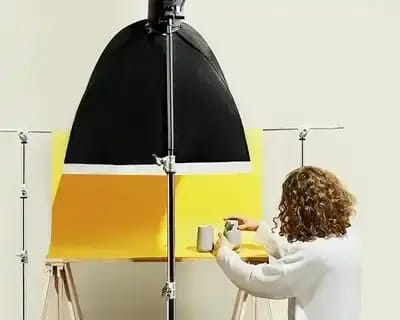
Food photography is no longer a niche skill reserved for glossy cookbook shoots - it is now a commercial necessity for restaurants, e-commerce brands, and food bloggers alike. The visual quality of a dish photo directly influences purchasing decisions, social media engagement, and brand perception. In 2026, food photography is undergoing a major shift: authenticity is beating perfection, AI tools are reshaping post-production, and the gap between amateur and professional results is narrowing faster than ever.
This guide covers everything a photographer needs to know: from lighting setups and composition techniques, through professional food styling secrets, to the latest 2026 trends and equipment recommendations. The techniques here are drawn from hundreds of commercial food photography sessions - for restaurants, meal kit brands, and e-commerce food products.
Why Food Photography Matters: The Commercial Case
Visual content is 40% more likely to generate engagement on social media than text alone. For restaurants, food photography is not a marketing extra - it is the primary conversion tool. 90% of restaurants rate Instagram as very or extremely important for their marketing, and photogenic dish presentation consistently ranks as the number-one factor in a diner's decision to visit after discovering a place online.

For e-commerce food brands - sauces, packaged ingredients, meal kits - professional product food photography directly affects conversion rates. Research consistently shows that high-quality product imagery reduces return rates, increases average order value, and builds brand credibility faster than any written copy. Artistic food photos that focus on detail, color, and composition do something deeper too: they evoke an emotional response that creates appetite without a single word.
Visual content is 40% more likely to generate engagement on social media than text alone.
As Ferran Adrià put it: "Food is a form of art, it is a way of expressing yourself." Food photography extends that philosophy - transforming a meal into a visual story that can be admired, shared, and acted upon long before anyone tastes a single bite.

Food Photography Trends 2026
Understanding where food photography is heading is as important as mastering its fundamentals. The visual trends shaping 2026 are a direct response to audience fatigue with over-styled, over-edited imagery that no longer feels real.
Authenticity Over Perfection
The dominant shift in 2026 food photography is a move away from sterile, pristine plating toward genuine, relatable imagery. Spills, crumbs, half-eaten plates, and imperfect arrangements are no longer signs of a failed shoot - they are intentional stylistic choices. Gen Z audiences in particular engage more deeply with raw, candid food content that looks like something actually happened in a real kitchen. This trend builds trust and authenticity in ways that perfect studio shots simply cannot.
Dark and Moody Aesthetics
High-contrast lighting with deep shadows and rich textures dominates premium and gourmet food photography. Dark backgrounds with carefully placed highlights work exceptionally well for chocolate, coffee, wine, and upscale dining content - conveying sophistication without saying a word. This aesthetic rewards photographers who understand light direction and shadow control, skills that cross over directly from product photography.
Storytelling and Cultural Fusion
The subject of food photography is no longer just the dish - it is the story behind it. Farm-to-table narratives, ingredient journeys, and cultural fusion presentations (Japanese sushi plated on Nordic linen, Vietnamese spring rolls against French marble) create emotional connections that pure product shots never achieve. This storytelling dimension is particularly valuable for food brands that want to differentiate on values rather than price.
Video and Motion Content
Short-form video now competes directly with static food photography for engagement budgets. Behind-the-scenes kitchen prep content generates 19% higher engagement than plated shots alone. The most effective formats: 15-30 second recipe guides with quick cuts, slow-motion pours and sizzle shots, stop-motion sequences, and ASMR-forward audio (sizzling, chopping, pouring). If you shoot food professionally, adding basic video capture to your workflow is no longer optional - it is a competitive requirement.

Food Photography - Lighting
Light in food photography is like salt in cooking - without it, even the most appetizing dish loses its appeal. Lighting brings food to life, accentuating texture, color, and the fine details that stimulate appetite. Getting lighting right is 80% of the work; the rest is refinement.
Using Natural Light
Natural light remains the most desirable source in food photography. Its softness and variability through the day offer unlimited creative range. Position the dish near a window where light is diffused but sufficiently bright - this produces evenly lit photographs with natural shadows that add three-dimensionality. White foam boards as reflectors cost next to nothing and allow precise shadow control.
Experiment with timing: morning light gives delicacy and freshness, ideal for breakfast and lighter dishes. Late afternoon adds warmth and depth, perfect for heartier meals. The direction matters too - side lighting from a window parallel to the table creates beautiful texture definition in bread crusts, sauce surfaces, and vegetable skins.
Using Artificial Lighting
When natural light is unavailable - winter months, evening shoots, controlled studio environments - artificial lighting takes over. LED panels designed for photography offer adjustable brightness and color temperature, allowing you to precisely match or surpass the quality of window light. The key principle: position the main light source from the side or behind the dish to mimic natural raking light, then use a fill card or softbox opposite to lift shadows without flattening the texture.
For commercial work, studio strobes with large softboxes give the most control and consistency across a full shoot day. Warm light adds coziness and homely warmth; cool tones emphasize freshness. Experimenting with colored gels on accent lights can add atmospheric depth to dark-and-moody setups that are currently dominating premium food content.

Composition Techniques That Transform Food Photos
Composition is how you arrange elements in the frame - and it determines the first impression every time. In food photography, the goal is to create a hierarchy: the dish is the hero, everything else serves it. Strong composition does not call attention to itself; it pulls the viewer directly to the food and keeps them there.
Core Composition Principles
The rule of thirds divides the frame into nine equal sections using two horizontal and two vertical lines. Placing key elements - the hero ingredient, a garnish, the edge of a plate - at the intersections creates natural visual balance that draws the eye without forcing it.
Depth of field adds three-dimensionality and isolates the subject. A wide aperture (f/1.8-f/2.8) creates background blur that pushes the dish forward visually, making it pop off the surface. This is particularly effective for overhead flat-lay shots where sharp food meets softly blurred props.


Leading lines guide the viewer's eye through the composition, adding dynamism and a sense of movement. These can be the edge of a plate, aligned cutlery, a folded napkin, or even shadows cast by side lighting. Used intentionally, they transform a static top-down food shot into something that feels alive.
Storytelling in Food Photography
Every element in a food photograph is communicating something - intentionally or not. The most effective food images tell a complete story: what the dish is, where it comes from, who it is for, and why it matters. This narrative dimension is what separates memorable food photography from catalogue shots.
Scene elements - ingredients used in preparation, vintage family tableware, hand-stitched linen - add depth and context that transforms a flat dish shot into something with history. Placing raw ingredients alongside the finished dish does double duty: it decorates the scene and simultaneously communicates freshness and quality.
Color and texture in the background carry significant narrative weight. Warm wooden surfaces speak to rustic, homemade character; cool marble or slate reads as modern and refined. The 2026 trend favors neutral, warm earth-tone palettes for most food categories, with dark dramatic backgrounds reserved for gourmet and artisanal content. Contrasting background textures against the dish surface highlights the food's unique visual character.

Props chosen with purpose enrich the scene without competing with the food. Elegant cutlery, ceramic vessels, glass jars, cast iron pans - each prop adds to the story of preparation and occasion. The rule: every object in the frame should earn its place. An excess of props or an overcomplicated background steals attention from the main subject and weakens the overall image.
Styling Food for the Camera
Food styling is the art of making dishes look their absolute best under camera conditions. A properly styled dish looks better in a photograph than it does in person - that is the goal. Good styling requires both aesthetic sense and practical knowledge of how different preparation techniques, colors, and textures interact with light and lens.
Choose the Highest Quality Ingredients
Fresh, colorful, visually flawless ingredients are the foundation. Every blemish, wilted edge, and bruise is visible under studio lighting. Select produce specifically for the shoot - not whatever is left from prep. This single habit separates professional food photographers from amateurs.
Emphasize Texture and Color
Use culinary techniques that bring out natural textures and color vibrancy. Lightly caramelized vegetables, meat with a defined crust, pasta with a slight sheen - these visual cues communicate flavor directly. The camera flattens dimension; exaggerating texture compensates for that loss.

Control Portions Precisely
Overly large portions overwhelm the frame and obscure details. Carefully scaled-down portions - arranged with intention rather than simply spooned onto a plate - allow textures, layers, and details to breathe and be seen. This is especially critical for e-commerce food product photography where the item itself must be the unambiguous focus.
Add Life with Fresh Accents
Fresh herbs placed at the last possible moment, citrus zest curls, a few drops of olive oil, a scattering of sea salt flakes - these finishing touches signal freshness and attention to craft. They are the food stylist's equivalent of a highlight in a portrait: small adjustments that make the whole image feel alive.

Build Depth Through Layering
Professional food stylists build scenes in deliberate layers: surface texture → linen or placemat → plate → vessel → food → garnish. Each layer adds visual depth and guides the viewer's eye from the periphery into the main subject. A flat, single-layer setup looks cheap regardless of how good the food is.
Use Appropriate Tableware
Tableware frames the dish and sets the aesthetic tone for the entire image. Solid white plates are the professional default - they reflect light cleanly and never compete with the food. Charcoal and black ceramics work beautifully in dark-and-moody setups. Matte surfaces beat glossy finishes for almost every food category because they minimize unwanted reflections under studio lights.
Play with Textures in Props
Contrasting textures between food, tableware, and background props create visual interest that keeps the viewer's eye moving. A rough-hewn wooden board under a smooth ceramic bowl; a loose linen cloth under a polished glass; cast iron alongside delicate herbs - the interplay of textures communicates quality and intentionality even before the viewer consciously registers it.

Maintain a Cohesive Color Palette
Every object in the frame should belong to the same color story. In 2026, the dominant palettes are neutral warm earth tones (creams, taupes, warm greys, natural wood) and dramatic darks for premium content. Avoid introducing more than three distinct color families in a single composition - it fragments attention and makes images feel chaotic rather than richly detailed.
The Right Perspective for Food Photography
Changing shooting angle completely transforms how a dish is perceived. Each perspective reveals different qualities of the food and works best for specific dish types.
| Angle | Best For | Key Advantage |
|---|---|---|
| Overhead (90°) | Flat lays, bowls, pizza, charcuterie boards | Shows full composition; works for social media grids |
| Eye-level (0°) | Burgers, stacked dishes, layered cocktails | Reveals height and layers; most dramatic perspective |
| 45° angle | Most table-setting shots, soups, pasta | Natural viewpoint; shows both top and sides of dish |
| Close-up / macro | Texture details, garnishes, sauces | Communicates quality and ingredient detail |

Equipment Guide: From Beginner to Professional
The biggest myth in food photography is that better gear produces better images. Gear matters - but technique, lighting, and styling matter more. That said, having the right tools for each stage of your career accelerates your results significantly.

Camera Bodies
In 2026, mirrorless cameras have become the professional standard for food photography. Their key advantages: real-time exposure preview through electronic viewfinders, faster autofocus, and lighter bodies for easier handheld work. The Sony a7 series, Canon EOS R series, and Fujifilm X-T series are the most widely used among commercial food photographers. For beginners, even an entry-level mirrorless or DSLR - Canon EOS Rebel, Nikon D3500 - offers full manual control at accessible price points.
Lenses: Invest Here First
A recurring principle among professionals: invest more in glass than in the camera body. A great lens on a mid-range body consistently outperforms a mediocre lens on a flagship camera.
| Lens Type | Focal Length | Best For | Notes |
|---|---|---|---|
| Prime lens | 50mm | Versatile: flat lays, 45° shots, straight-on | f/1.8 versions start around $100-300 |
| Macro lens | Varies | Texture detail: droplets, crumbs, sauces | Essential for close-up product food photography |
| Zoom lens | 24-70mm f/2.8 | All-around professional work | Sony FE 24-70mm GM II is the current benchmark |
| Wide-angle | 35mm | Overhead flat lays with extensive prop setups | Captures full scenes without distortion |
Budget Breakdown
- Beginner (under $500): Smartphone with manual camera app, natural window light, foam board reflectors
- Intermediate ($500-$1,000): Entry mirrorless body, 50mm lens, basic LED panel
- Professional ($2,000+): Full-frame mirrorless, multiple prime/macro lenses, studio strobes, comprehensive prop kit
Modern smartphones with manual camera apps - Adobe Lightroom Mobile and VSCO both offer precise control over exposure, white balance, and ISO - can produce compelling food photography results, particularly when paired with strong natural lighting and careful styling.


Post-Production: Editing Food Photography
Editing is an inseparable part of the professional food photography workflow. Its purpose is not to fix bad images - it is to bring out the absolute best in already good ones. Correct editing enhances color accuracy, reveals texture detail, and establishes the mood that pulls the viewer in.
White Balance Correction
This is always the first adjustment. Correct white balance is critical for food - off-white balance makes meats look grey, greens look yellow, and desserts look unappetizing. Shoot in RAW format specifically to preserve full white balance adjustment range in post-production.
Exposure and Contrast
Photos that are too dark or too bright lose their appetite appeal. Adjust exposure to bring shadow detail out without blowing highlights. Targeted contrast adjustments - particularly using the tone curve rather than the flat contrast slider - add three-dimensionality to the dish and make food look physically present rather than printed on a surface.
Saturation and Vibrance
Increasing vibrance (which lifts muted colors without over-saturating already vivid tones) is almost always preferable to blunt saturation boosts. The target is food that looks like its real-world self at its most vibrant, not a hyper-saturated cartoon of food. Selective HSL adjustments - lifting the orange/yellow of roasted food, intensifying the green of herbs - give precise control without affecting the entire image.
Sharpness and Texture
Targeted sharpening on the food's surface - bread crust, meat grain, herb leaves - communicates quality and visual appetite in ways that global sharpening cannot. Use masking to apply sharpening only where it matters; over-sharpened backgrounds and props create digital noise that undermines the whole image.
AI Tools in Food Photography: 2026 Reality
Over 60% of top brands plan to integrate AI into their visual content strategies by 2026. In food photography specifically, AI tools have moved from novelty to practical post-production workhorses - capable of reducing editing time by 60-70% for high-volume commercial work.
| Tool | Cost | Best For |
|---|---|---|
| FoodShot AI | $9-50/mo | Full food photo transformation; 30+ lighting/angle presets |
| MenuPhotoAI | $39/mo | Restaurant menu optimization; batch processing |
| Yumzi | Monthly subscription | Smartphone photo enhancement; real-world restaurant use |
| LightX | Freemium | Comprehensive AI editing; background replacement |
| Recraft | Free/paid | AI food image generation from text descriptions |
The practical value of AI tools lies not in replacing professional photography but in augmenting it. AI handles the mechanical tasks - background removal, batch color correction, generating alternative background variations, removing unwanted props or imperfections - while the photographer focuses on the creative decisions that only a human can make. For small food businesses with limited budgets, AI editing starting at $9/month offers a viable path to professional-looking menu images without hiring a photographer for every dish update.
The critical caveat: AI-generated food imagery and heavily AI-edited photos lack the authentic tactile quality that audiences increasingly value. Use AI as a production accelerator, not as a replacement for genuine craft photography.
Social Media Food Photography: Instagram vs. TikTok
90% of restaurants rate Instagram as very or extremely important for marketing - but TikTok is closing that gap with alarming speed. 70% of Gen Z now identify TikTok as their most valuable food recommendation platform, and 84% actively try food trends they discover there. Understanding how food content performs differently on each platform is now a professional competency, not an optional extra.
Instagram: Visual Credibility Platform
Instagram remains the primary platform for static food photography. The aesthetic standard here is high - well-lit, carefully composed, clean editing. Step-by-step recipe guides, behind-the-scenes content, and tightly framed plated shots perform best. Grid consistency matters: a coherent visual identity across a restaurant or food brand's Instagram profile builds the kind of trust that converts browsers into reservations and orders.
TikTok: Authenticity and Chaos Win
TikTok rewards the opposite aesthetic. Over-styled perfection actively underperforms against raw, spontaneous content. The most effective formats: 15-30 second recipe reveals with quick cuts, visible food mess and generous portions, extreme indulgence and whimsy (chaos cakes have grown 45.36% on social platforms), and ASMR sound design - sizzling, pouring, the satisfying crunch of a crust breaking. Behind-the-scenes kitchen prep content generates 19% higher engagement than plated shots alone. For food brands targeting younger audiences, TikTok-native content requires a fundamentally different shooting and editing approach than traditional food photography.
Commercial Food Photography: Pricing and Professional Workflow
Understanding pricing is essential whether you are hiring a food photographer or building a food photography business. The range in 2026 is genuinely vast - from $0.40 per AI-edited image to $500+ per hour for high-end commercial work - and the difference in output quality is similarly enormous.
| Service | Cost | Best For |
|---|---|---|
| AI editing tools | $9-50/mo | Menu photo enhancement for small restaurants |
| Freelance editors (Fiverr) | $5-100/image | Quick turnaround; quality varies significantly |
| Professional photographer | $150-500/hr | Brand campaigns, editorial, full commercial shoots |
| High-end commercial | $500+/image | National campaigns; includes stylist, studio, retoucher |
Professional food photographers increasingly prefer project-based pricing over per-image rates - a complete "20 menu photos" package accounts for prep time, food styling, setup, and post-production in a single transparent number. Tethered shooting (camera connected directly to a laptop for instant client preview) is now standard practice on commercial shoots: it reduces reshoots, accelerates client approval, and keeps projects on schedule and within budget.
For food photographers building a business: standardize your setups to shoot faster, use AI tools to cut post-production labor, and package services rather than competing on per-image price. The photographers who thrive in the 2026 market are those who offer consistent quality at speed - not those with the cheapest day rates.
Professional Food Photography: Work with a Studio
For food brands, restaurants, and e-commerce businesses that need consistent, high-quality results across an entire product range, working with a professional product photography studio offers advantages that no DIY setup can replicate: controlled lighting, calibrated equipment, experienced food styling, and a workflow designed for efficiency and visual consistency across every image in a catalogue.
At marszalstudio, we specialize in product and food photography for brands that care about visual quality - from packaged food products and e-commerce meal kits to restaurant menus and editorial campaigns. If you are looking to elevate your food photography to a commercial standard, get in touch to discuss your project.
Food photography, at its best, is a combination of technical mastery and genuine storytelling. The tools are better than ever, the trends are clear, and the audience appetite for compelling food imagery is only growing. Whether you are building the skill yourself or partnering with professionals, the investment in exceptional food photography pays back in every customer who sees the image and decides - right then - that they want what is in the frame.